
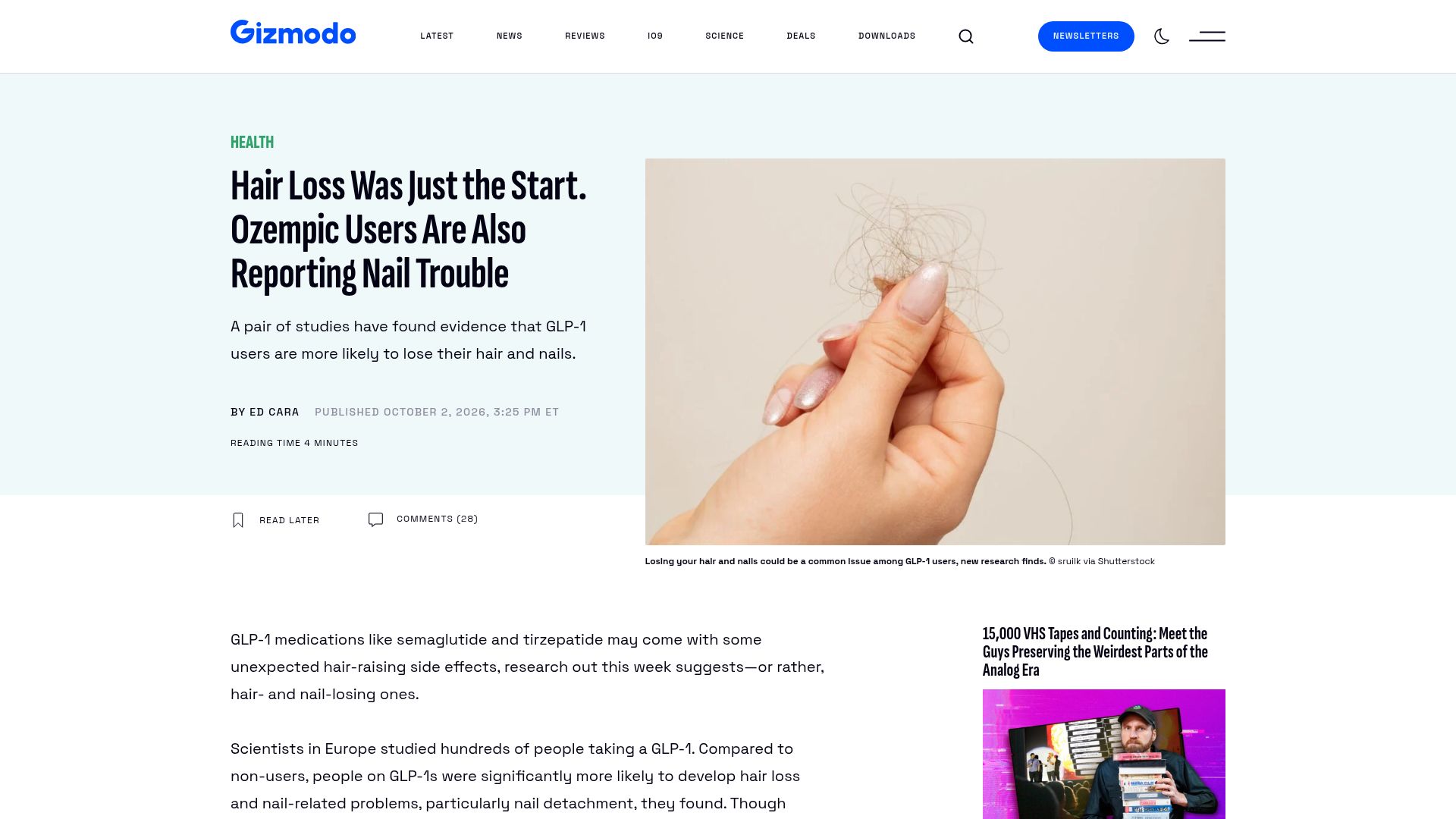
First screen, captured .
Looks similar
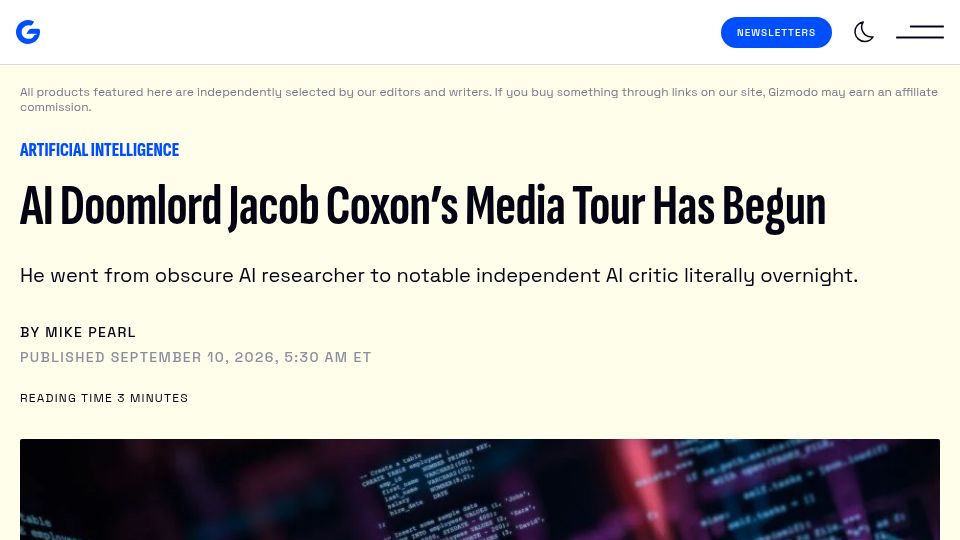

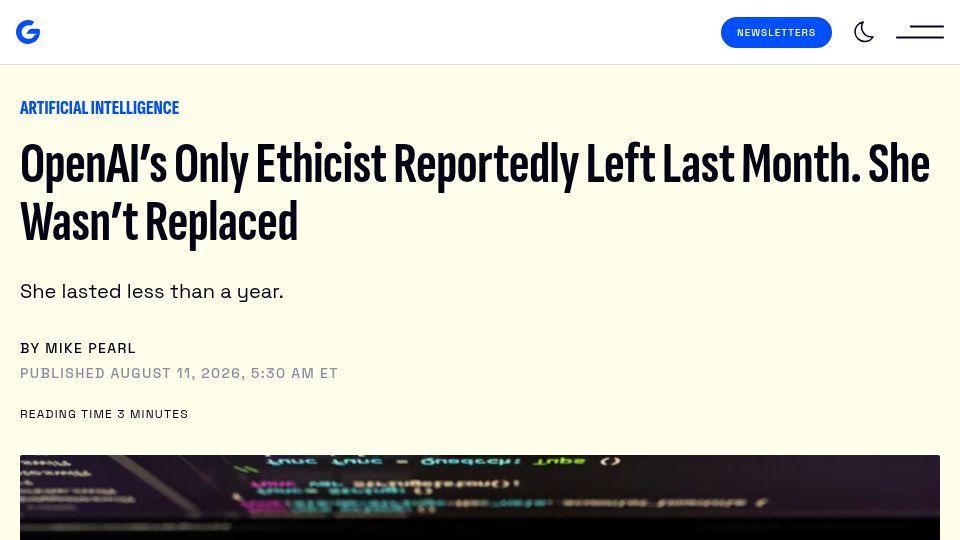
OpenAI’s head of ethics leaves less than a year after joining(ft.com)
484 points by ilamont | 454 comments
News article reporting that OpenAI's head of ethics left the company less than a year after joining and was not replaced.
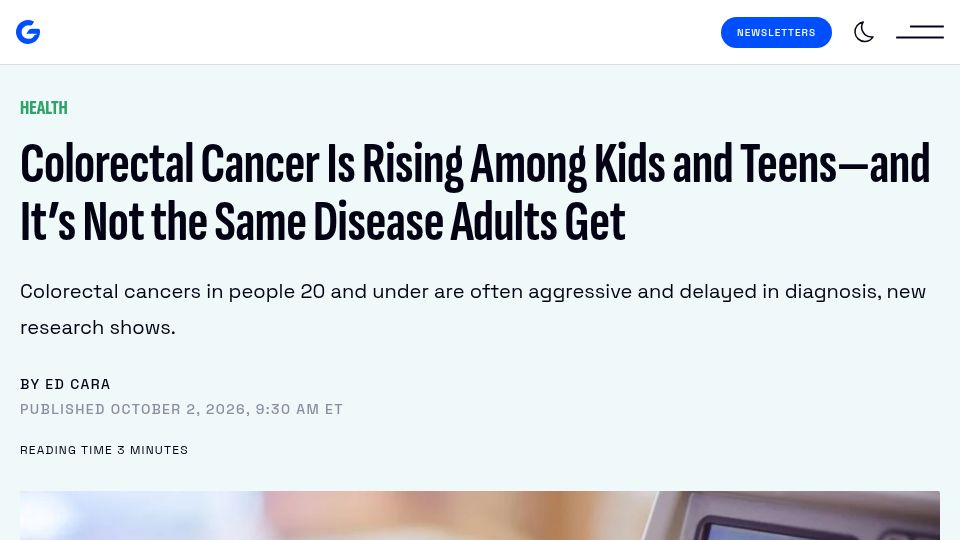
Colorectal Cancer Is Rising Among the Young, Even Kids and Teens(gizmodo.com)
14 points by gumby | 1 comments
Gizmodo article reporting research that colorectal cancer is rising in people 20 and under, often aggressive and diagnosed late, and differs from adult disease.

Related stories
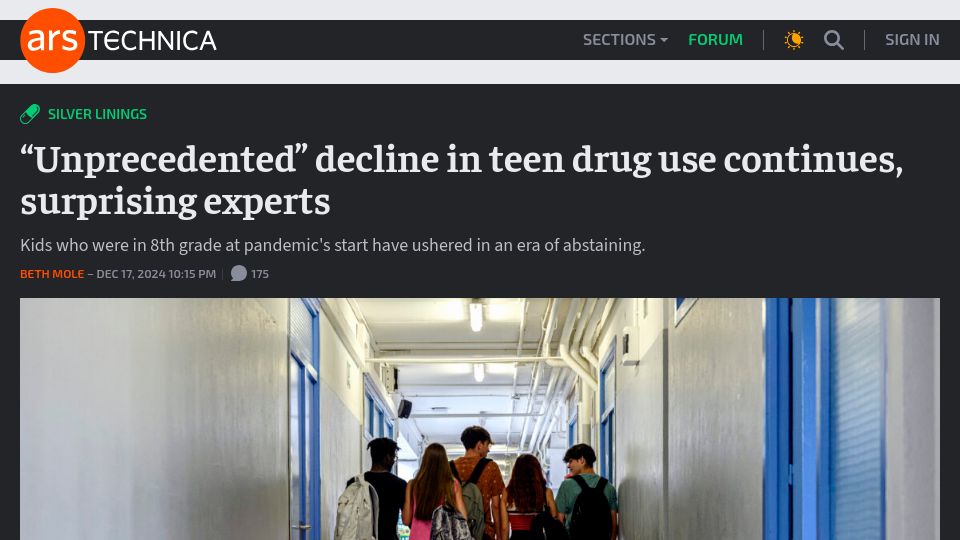
Decline in teen drug use continues, surprising experts(arstechnica.com)
335 points by pseudolus | 524 comments
Ars Technica article reporting that teen drug use continued an unprecedented decline in 2024, with the pandemic-era cohort showing high rates of abstaining.

Ozempic is changing the foods Americans buy(news.cornell.edu)
411 points by giuliomagnifico | 748 comments
Cornell Chronicle article on research finding that GLP-1 drugs like Ozempic and Wegovy are associated with reductions in Americans' grocery and food purchases.

Natural occurring molecule rivals Ozempic in weight loss, sidesteps side effects(medicalxpress.com)
365 points by pseudolus | 313 comments
Medical Xpress news article on a Stanford study finding a naturally occurring molecule that rivals Ozempic for weight loss without its side effects.
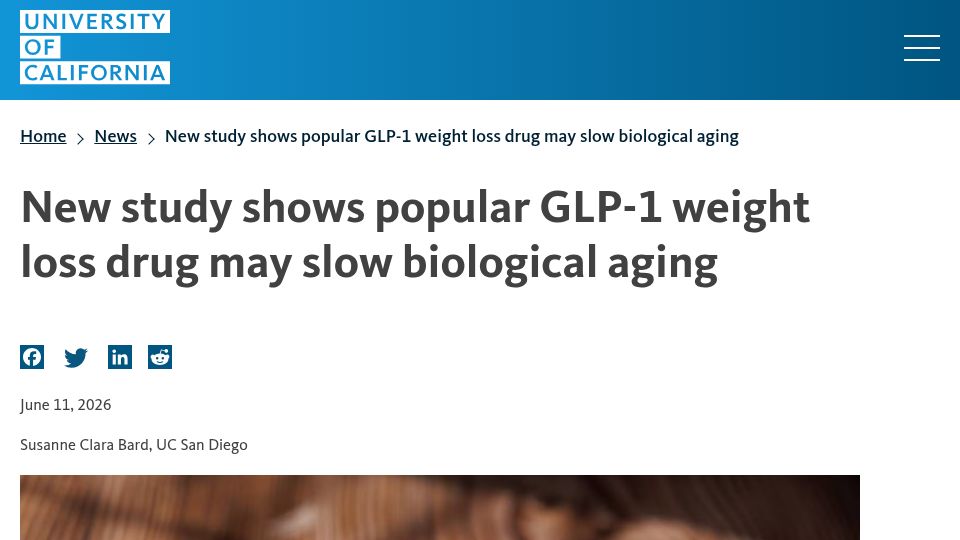
GLP-1 may slow biological aging(universityofcalifornia.edu)
136 points by dzink | 121 comments
University of California news article reporting a UC San Diego study suggesting a popular GLP-1 weight loss drug may slow biological aging.
MIT Study Finds AI Use Reprograms the Brain, Leading to Cognitive Decline(publichealthpolicyjournal.com)
438 points by cainxinth | 432 comments
Article reporting on an MIT study claiming that using AI tools like ChatGPT alters brain activity and leads to cognitive decline.
Colorectal Cancer Is Rising Among the Young, Even Kids and Teens(gizmodo.com)
14 points by gumby | 1 comments
Gizmodo article reporting research that colorectal cancer is rising in people 20 and under, often aggressive and diagnosed late, and differs from adult disease.