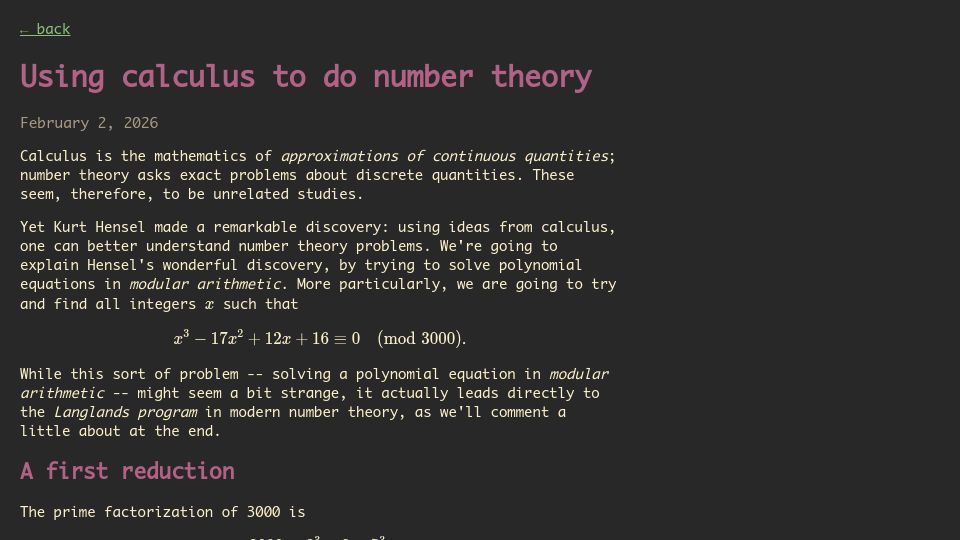
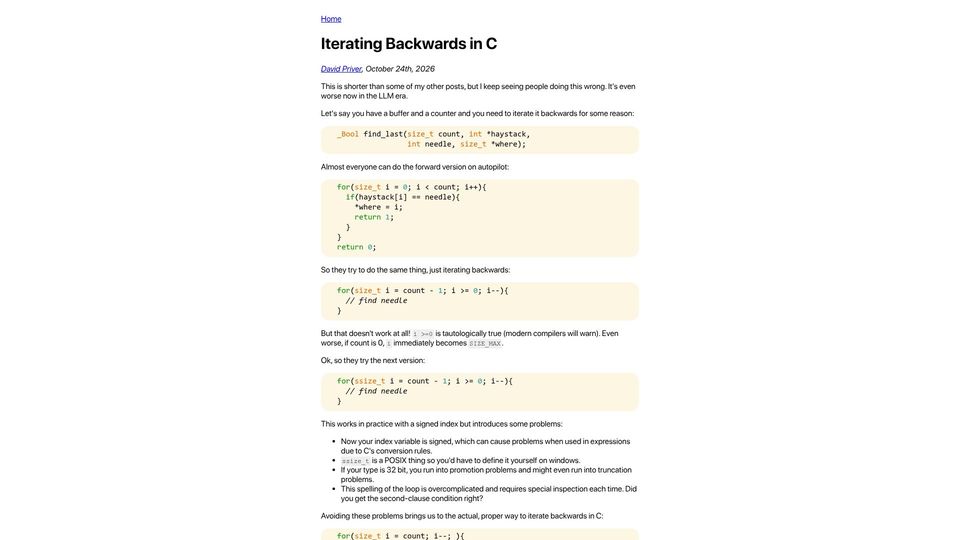
First screen, captured . Hover to scroll the page, or open the video.
Full page
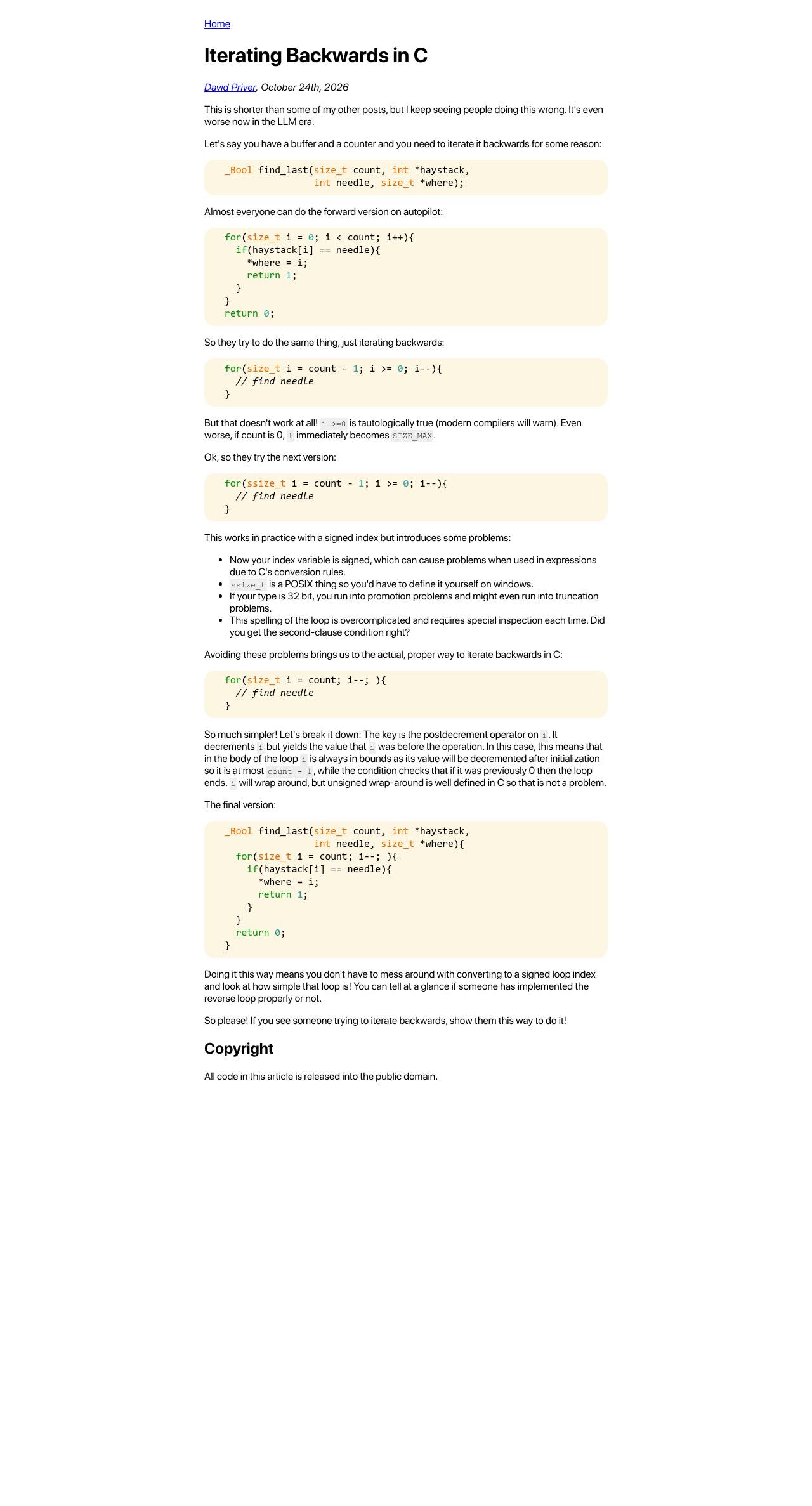
Captured . Click for the whole screenshot.
Looks similar
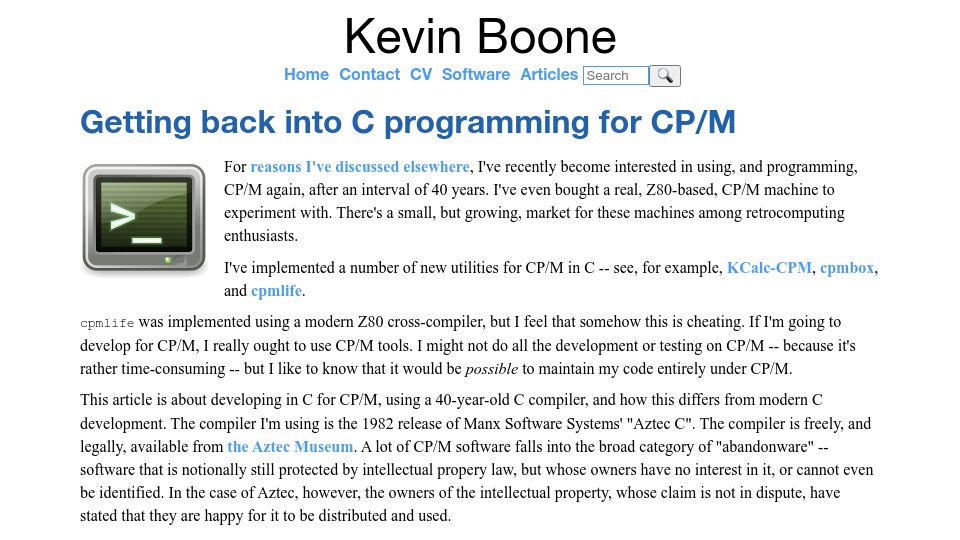
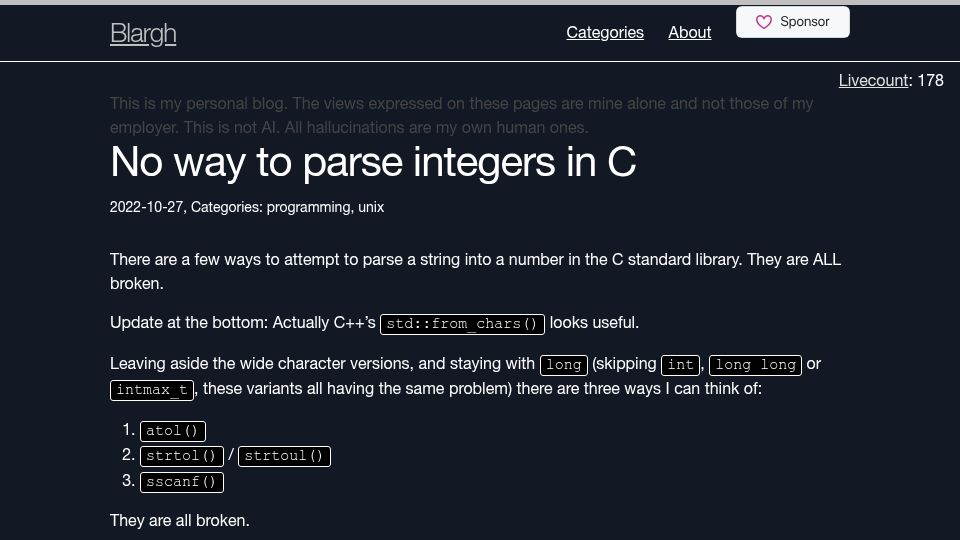
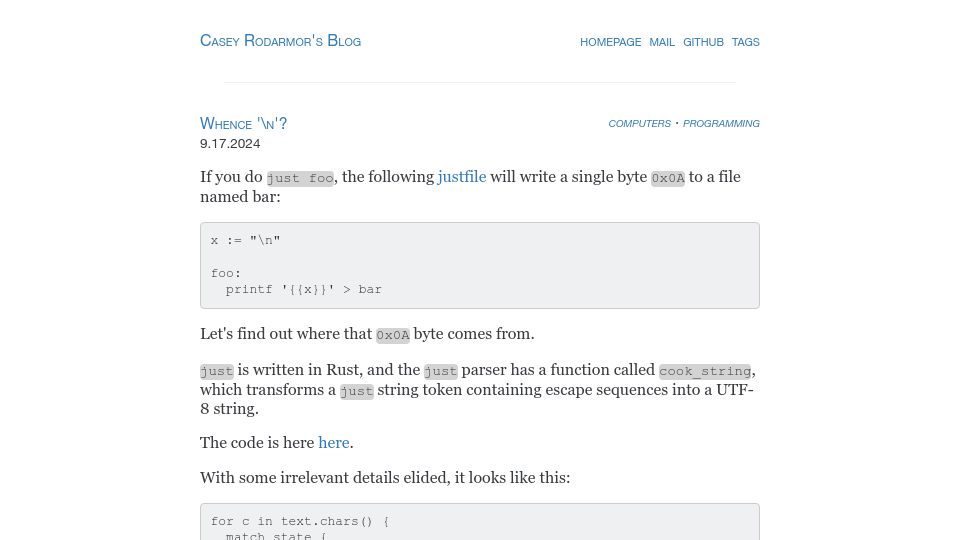
Whence '\n'?(rodarmor.com)
318 points by lukastyrychtr | 112 comments
Casey Rodarmor blog post tracing where the 0x0A byte for '\n' comes from in the just command runner's Rust parser, down through the compiler chain.
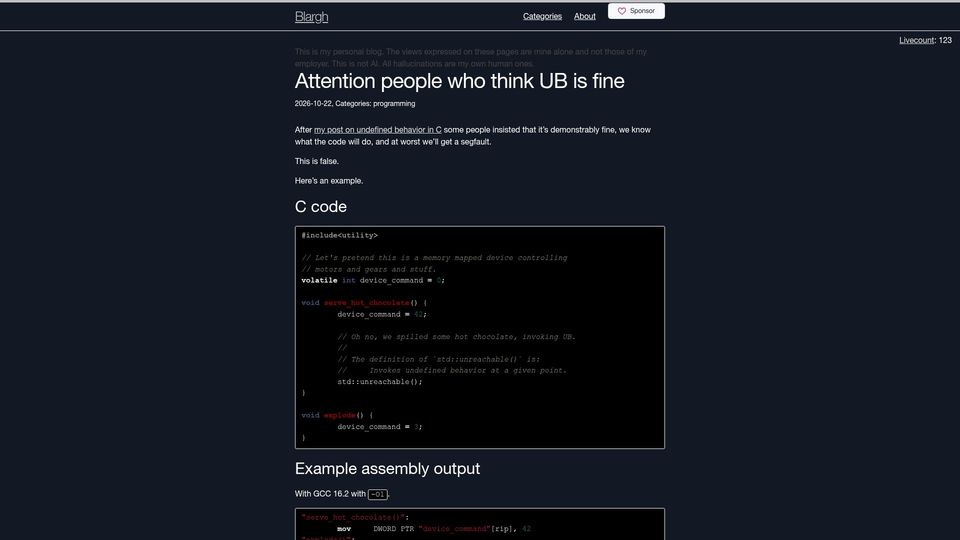
Attention people who think UB is fine(blog.habets.se)
11 points by signa11 | 9 comments
Blog post demonstrating with GCC and Clang assembly output that undefined behavior in C/C++ can cause unexpected effects like falling through into unrelated functions.
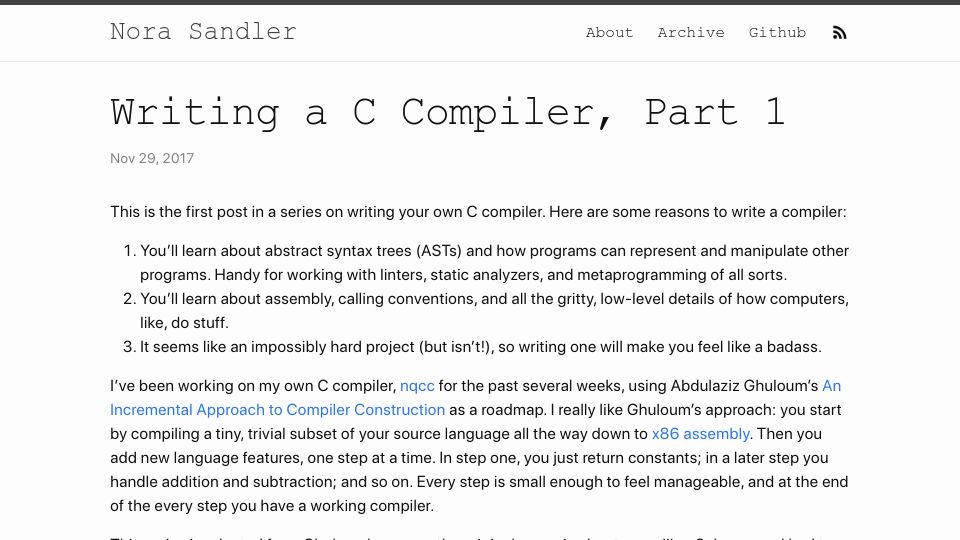
Writing a C Compiler (2017)(norasandler.com)
86 points by lrsjng | 29 comments
Related stories

Borrow Checking Zero-Cost Cyclic Mutability(antelang.org)
35 points by jfecher | 2 comments
A blog post from the Ante programming language project describing a borrow-checking approach that allows zero-cost cyclic shared mutability.
AI coding has made CI a bottleneck, so we reworked ours to keep up(linear.app)
300 points by julian_digital | 367 comments
A Linear engineering blog post explaining how AI-assisted coding increased CI load and how the team reworked its CI pipeline to keep up.
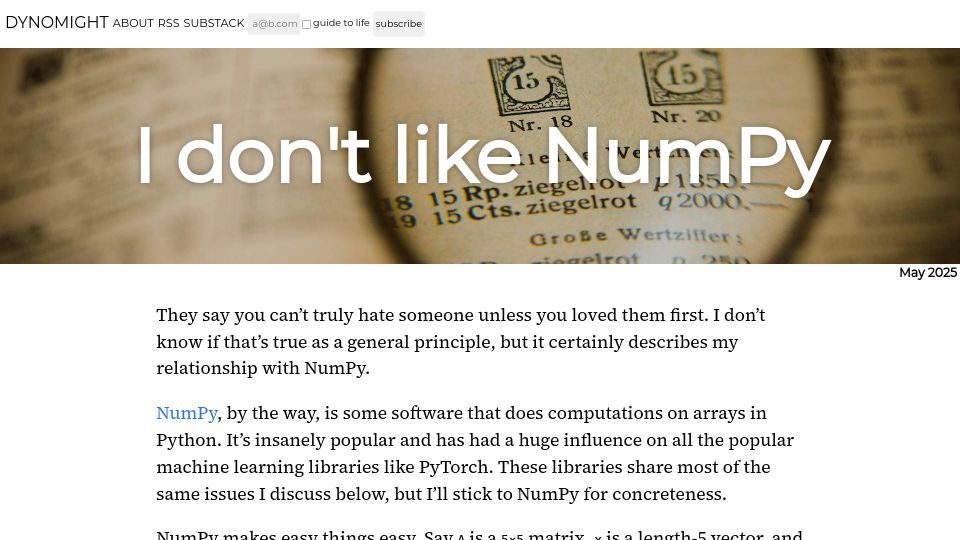
I don't like NumPy(dynomight.net)
399 points by MinimalAction | 164 comments
A Dynomight blog essay critiquing NumPy's design, arguing its array broadcasting and indexing make complex computations confusing.
I built a programming language that LLMs can't use(blog.picheta.me)
244 points by dom96 | 179 comments
Blog post by Dominik Picheta introducing KillSwitch, a programming language he designed so that large language models cannot use it.
Reducing undefined behavior in the C language(lwn.net)
115 points by signa11 | 110 comments
LWN article covering Martin Uecker's Kernel Recipes talk on undefined behavior in C and whether C can become a memory-safe language.
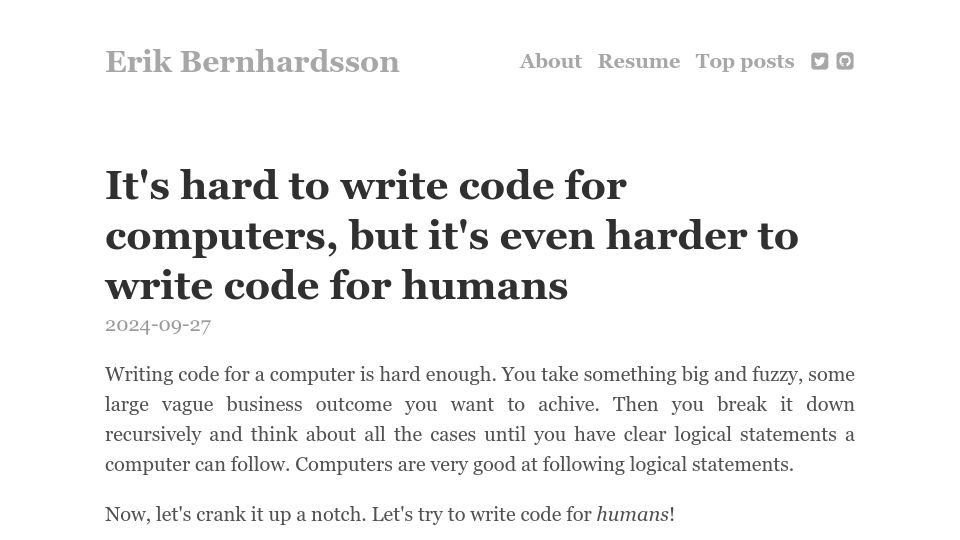
It's hard to write code for computers, but it's harder to write code for humans(erikbern.com)
429 points by imartin2k | 131 comments
Erik Bernhardsson's blog post arguing that writing code for humans, such as libraries, APIs and tools other developers use, is harder than writing code for computers.