First screen, captured .
Looks similar
Research finds 485 chemicals in US pesticide products linked to breast cancer(theguardian.com)
79 points by Teever | 23 comments
Guardian news article on research identifying 485 chemicals in US pesticide products linked to breast cancer, raising food and product safety questions.
DHS is using obscure law to snoop on journalists, non-profits, unions(theguardian.com)
402 points by firefax | 80 comments
Guardian article reporting that the Trump administration's DHS is using an obscure summons law to obtain records on journalists, non-profits and unions from tech and telecom companies.
Related stories
Ozempic is changing the foods Americans buy(news.cornell.edu)
411 points by giuliomagnifico | 748 comments
Cornell Chronicle article on research finding that GLP-1 drugs like Ozempic and Wegovy are associated with reductions in Americans' grocery and food purchases.

The EPA is proposing that 'forever chemicals' be considered hazardous substances(npr.org)
396 points by ChrisArchitect | 173 comments
NPR news article reporting the EPA's proposal to designate PFAS 'forever chemicals' as hazardous substances.
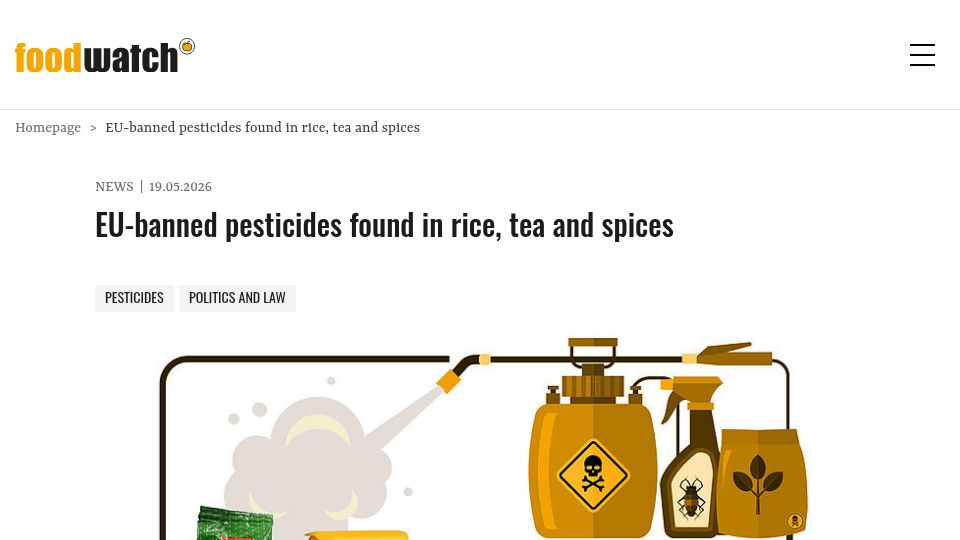
EU-banned pesticides found in rice, tea and spices(foodwatch.org)
489 points by john-titor | 267 comments
Foodwatch news article reporting that pesticides banned in the EU were found in rice, tea and spices sold to consumers.
CDC orders mass retraction and revision of submitted research(insidemedicine.substack.com)
748 points by KittenInABox | 513 comments
Inside Medicine Substack post by Jeremy Faust reporting that the CDC ordered retraction or revision of submitted manuscripts containing banned terms like gender and LGBT.
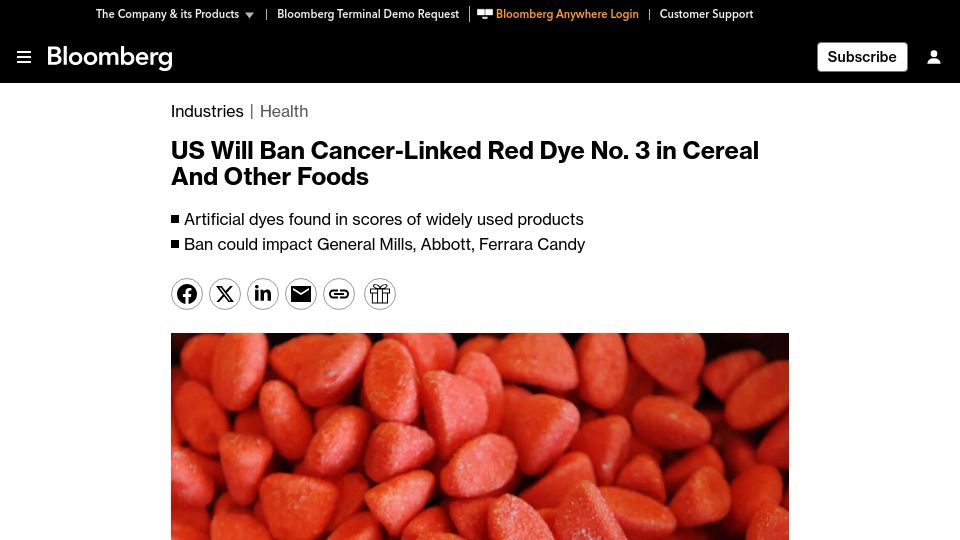
US will ban cancer-linked Red Dye No. 3 in cereal and other foods(bloomberg.com)
371 points by toomuchtodo | 502 comments
Bloomberg news article reporting that the US FDA will ban the cancer-linked artificial food coloring Red Dye No. 3 in cereal and other foods.
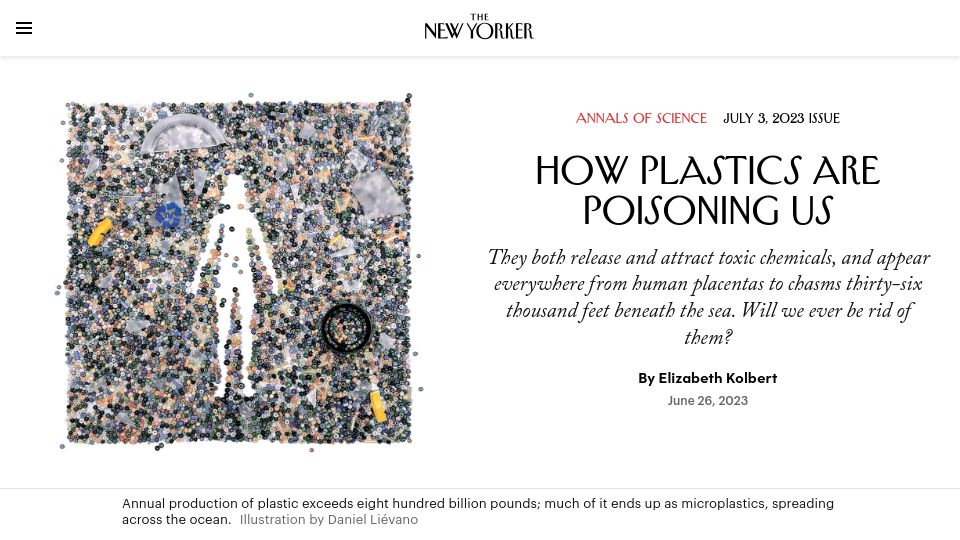
Plastics are poisoning us(newyorker.com)
361 points by fortran77 | 416 comments
New Yorker article by Elizabeth Kolbert on how plastics release and attract toxic chemicals and spread everywhere, from human placentas to deep ocean trenches.