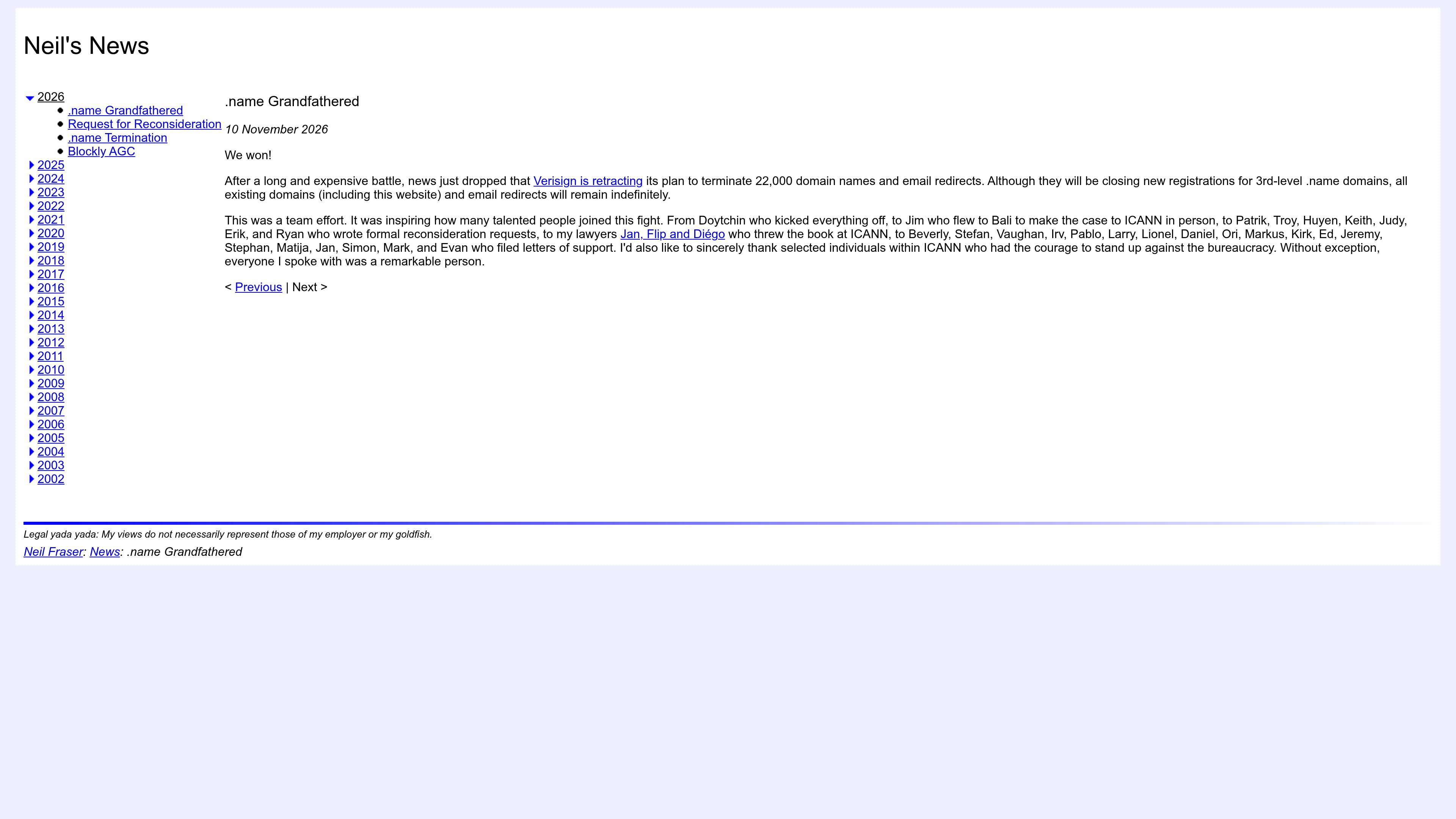
.name Grandfathered(neil.fraser.name)
902 points by p4bl0 | 196 comments
Neil Fraser's blog post announcing Verisign retracted its plan to terminate 22,000 .name domains and email redirects, grandfathering existing registrations.
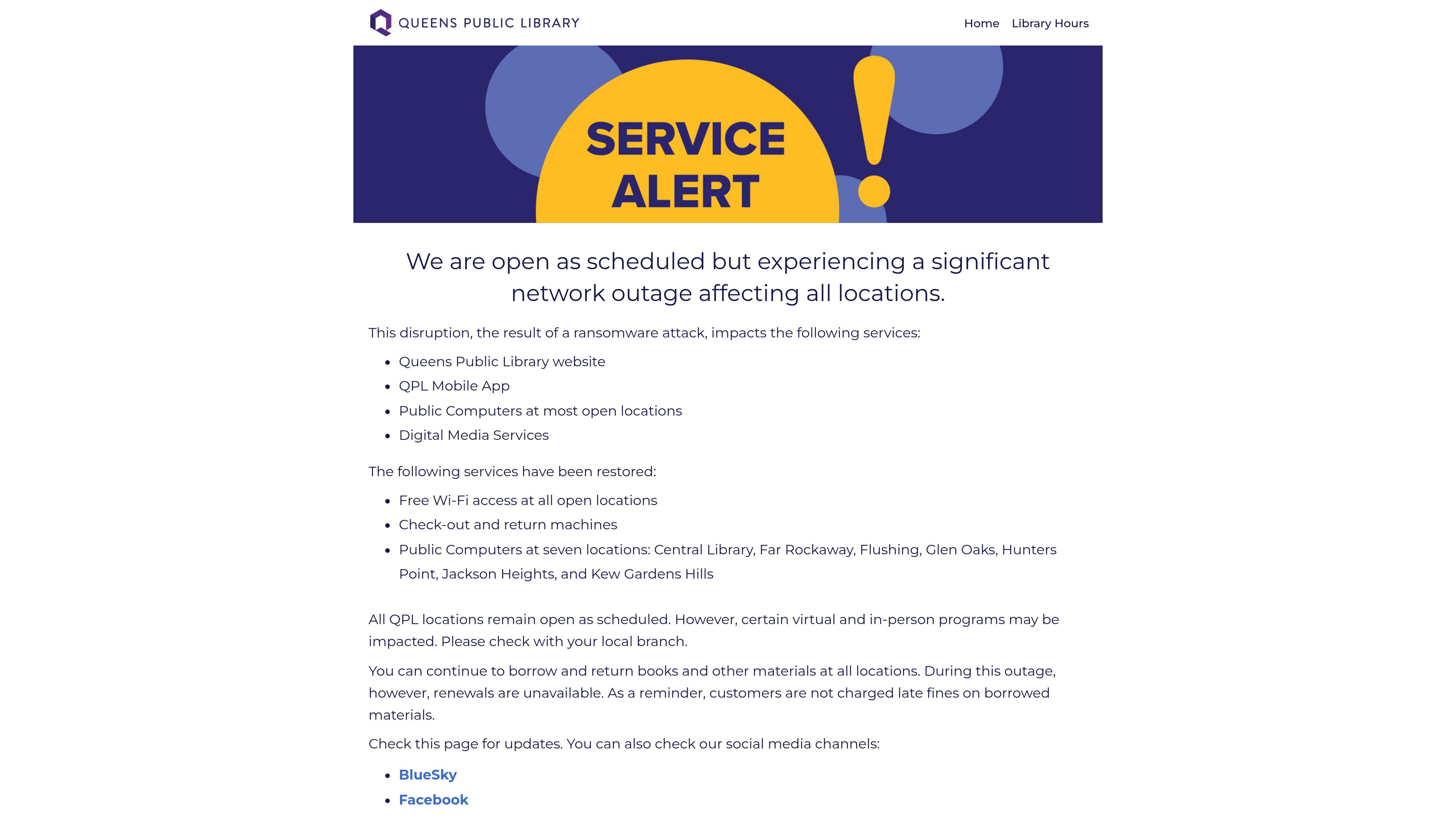
First screen, captured . Open the video.
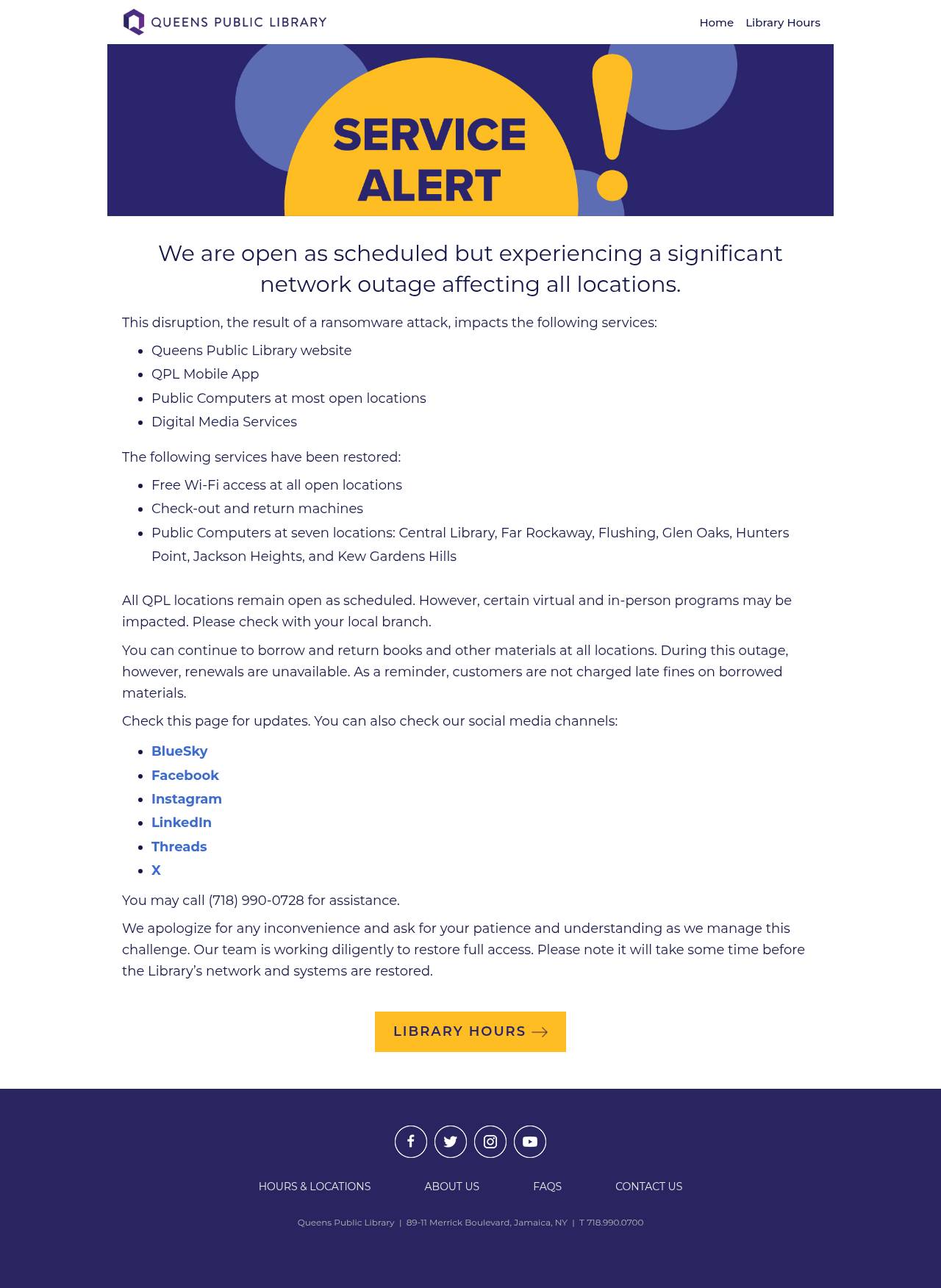
Captured . Click for the whole screenshot.
902 points by p4bl0 | 196 comments
Neil Fraser's blog post announcing Verisign retracted its plan to terminate 22,000 .name domains and email redirects, grandfathering existing registrations.
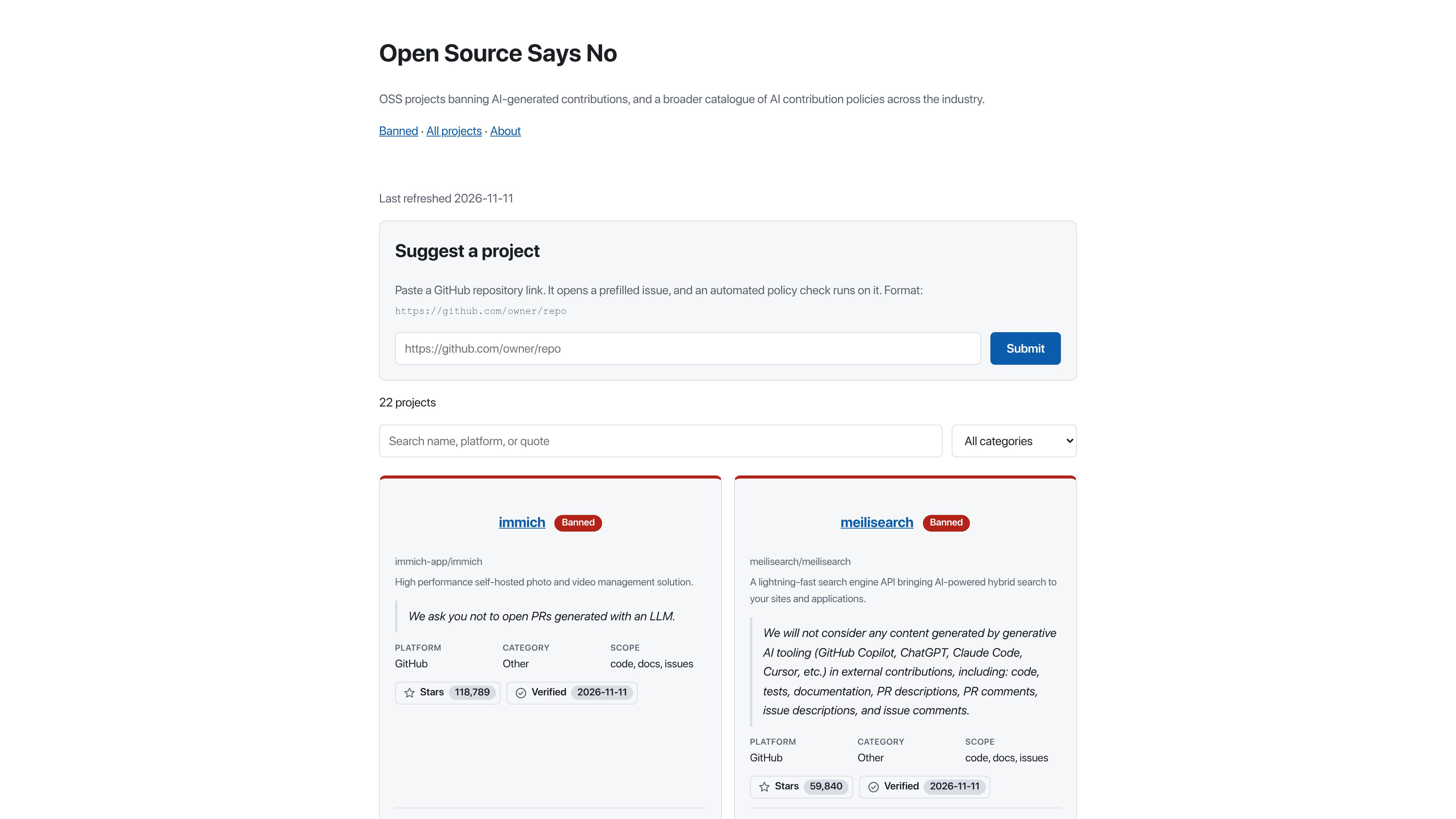
42 points by jlengrand | 70 comments
A catalogue site, Open Source Says No, listing open source projects that ban AI-generated contributions, with quotes from their policies, scope, and star counts.
101 points by freedomben | 77 comments
338 points by rapnie | 168 comments
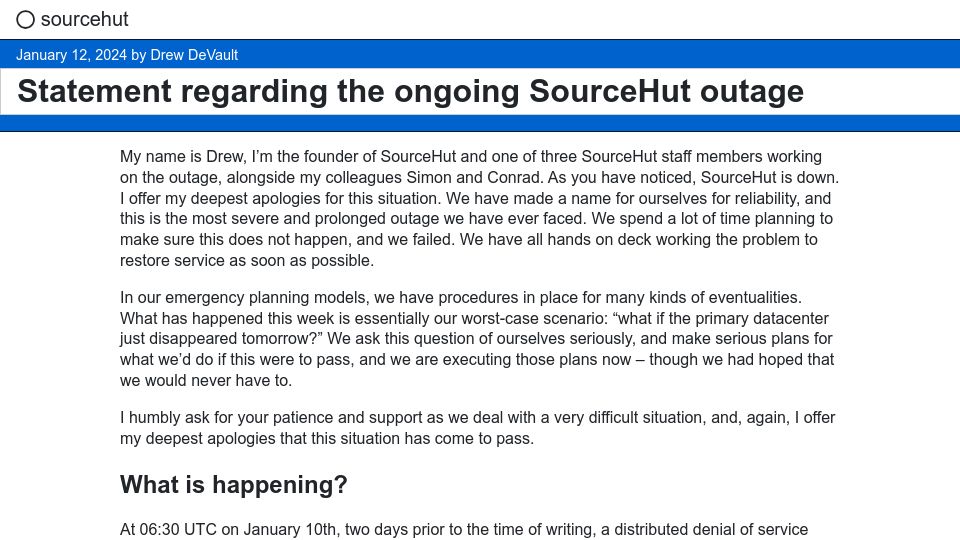
SourceHut founder Drew DeVault's January 2024 statement on a prolonged outage caused by a DDoS attack and the loss of its primary datacenter.
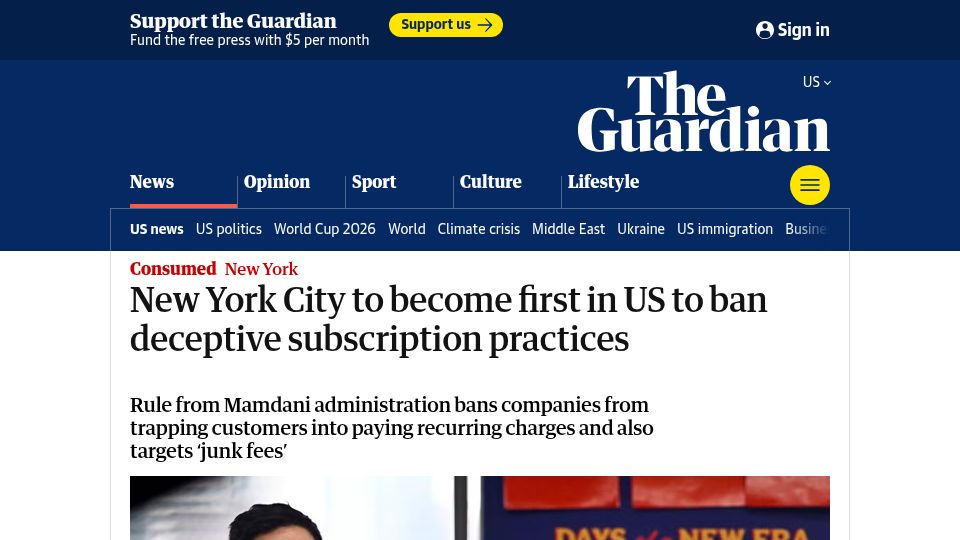
583 points by randycupertino | 295 comments
Guardian article reporting New York City will become the first US city to ban deceptive subscription practices and junk fees under a rule from the Mamdani administration.
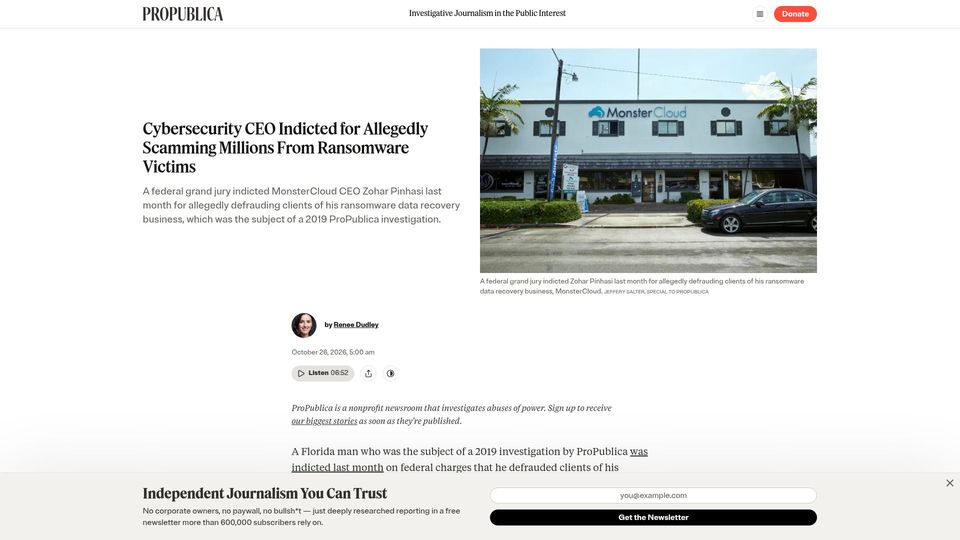
48 points by hn_acker | 8 comments
ProPublica article reporting the federal indictment of MonsterCloud CEO Zohar Pinhasi for allegedly secretly paying ransoms while charging ransomware victims large fees.
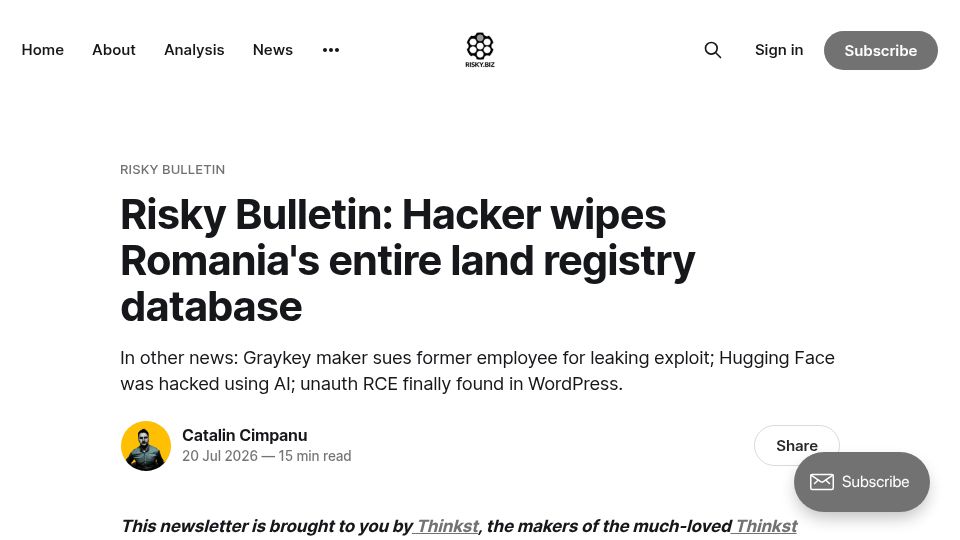
677 points by speckx | 380 comments
Risky Bulletin security newsletter reporting a hacker wiped Romania's land registry database, plus news on Graykey, Hugging Face hack, and WordPress RCE.
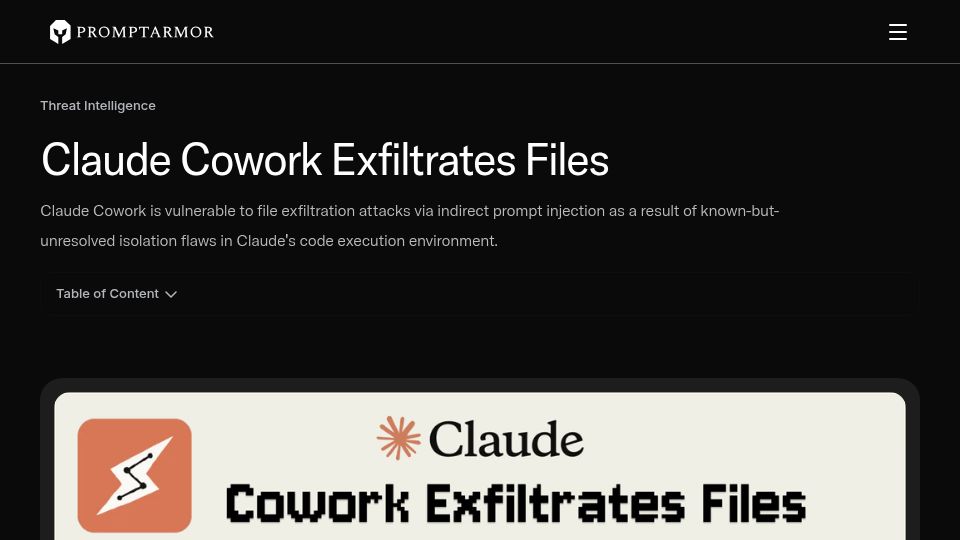
827 points by takira | 366 comments
PromptArmor threat intelligence report showing Claude Cowork is vulnerable to file exfiltration via indirect prompt injection due to code execution isolation flaws.
340 points by mooreds | 347 comments
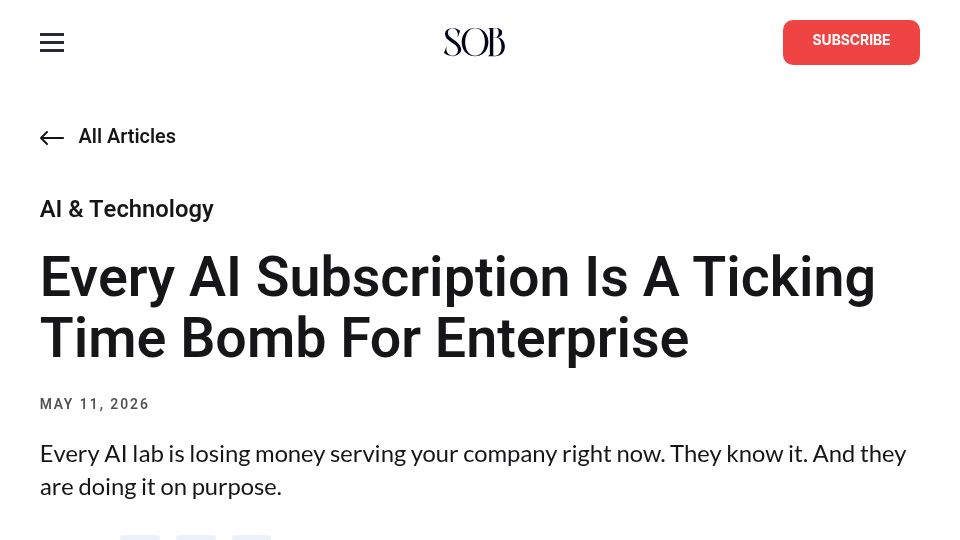
An opinion article from The State of Brand arguing that AI labs are losing money on enterprise subscriptions on purpose, making those subscriptions a future cost risk for companies.
598 points by StrangeSound | 268 comments
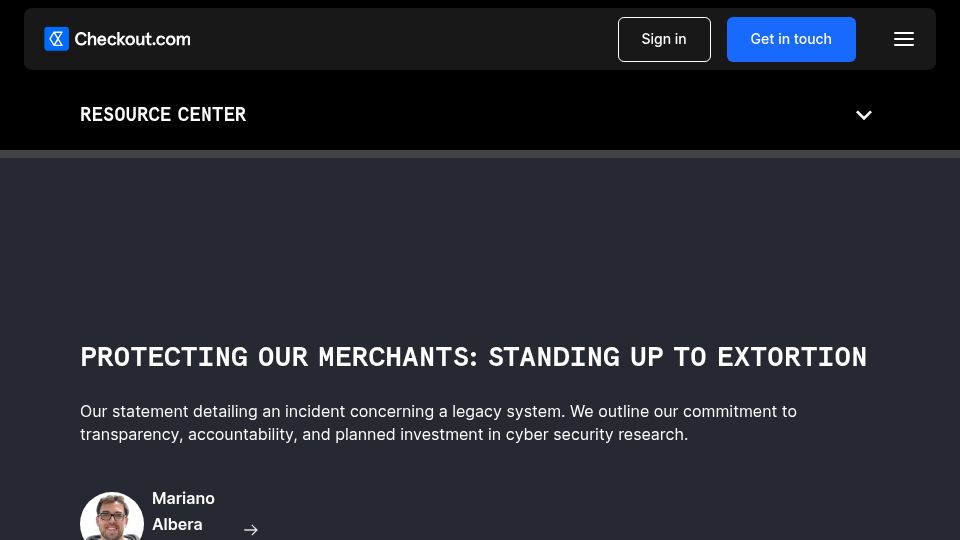
Checkout.com blog statement on an extortion incident involving a legacy system, its refusal to pay ransom, and planned investment in cybersecurity research.