
The Decoherence Trap(maevyn.codes)
163 points by cassianoleal | 69 comments
An essay introducing 'decoherence', the buildup of incompatible models in a system, arguing it is the worst form of tech debt and that AI-generated code is accelerating it.
32 stories tagged software-architecture, newest first.
163 points by cassianoleal | 69 comments
An essay introducing 'decoherence', the buildup of incompatible models in a system, arguing it is the worst form of tech debt and that AI-generated code is accelerating it.
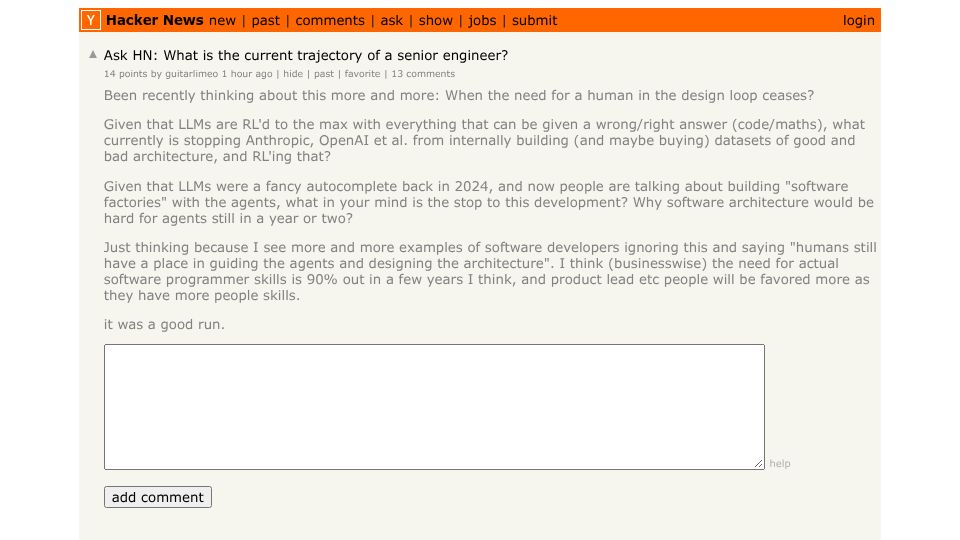
25 points by guitarlimeo | 32 comments
Ask HN discussion asking whether senior engineers' architecture and design roles will survive as LLM coding agents improve through reinforcement learning.

23 points by silcoon | 7 comments
Blog post arguing that Clojure's data-centric, high-level style suits developers working alongside language models that handle low-level imperative code.
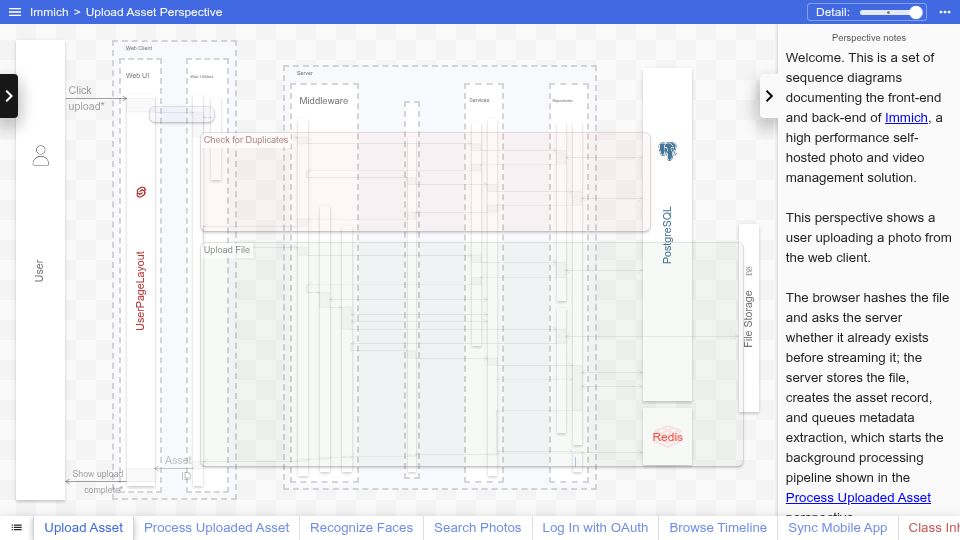
7 points by billyp-rva | 1 comments
Interactive Ilograph sequence diagrams documenting Immich's front-end and back-end flows, here showing a user uploading a photo from the web client.
3 points by mooreds | 0 comments
A knowledge base article explaining change coupling, why small fixes spread across many files, and how to use it to understand software system structure.
317 points by zazuke | 204 comments
A short note in a personal knowledge base arguing that the real problem with AI-generated code is that teams no longer understand their system architecture or the intent behind design decisions.
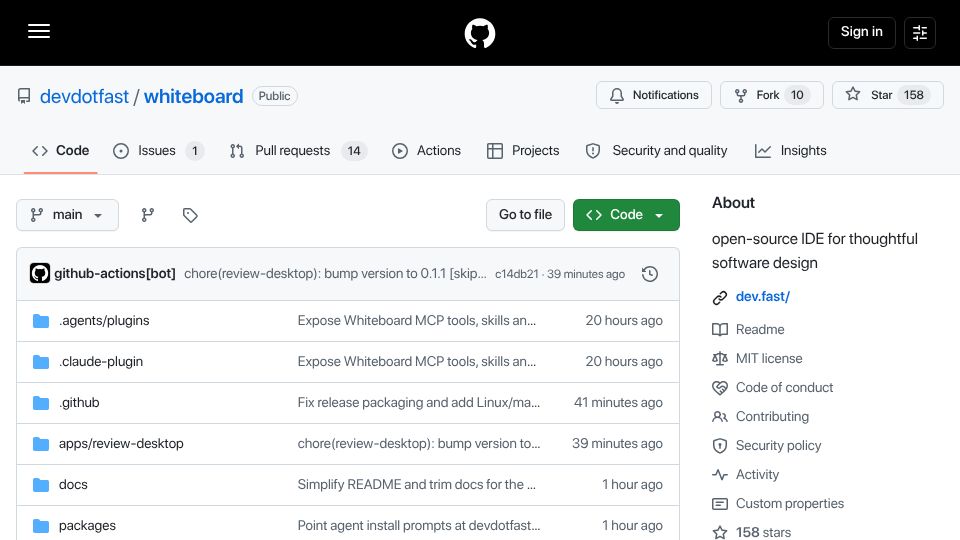
395 points by sidharthkmenon | 129 comments
GitHub repository for Whiteboard, an MIT-licensed desktop IDE built on Code-OSS where developers and AI agents collaborate on software design via diagrams and diffs.
14 points by fagnerbrack | 7 comments
A blog post by Fagner Brack on Medium describing what an AI-native approach to software development with stable infrastructure looks like.
29 points by mertkahyaoglu | 18 comments
A Show HN web app presenting an atlas of system designs with interactive architecture diagrams.

412 points by karlmush | 238 comments
A blog post by Raphael Bauer arguing for using PostgreSQL as the single backend for many workloads instead of specialized tools.
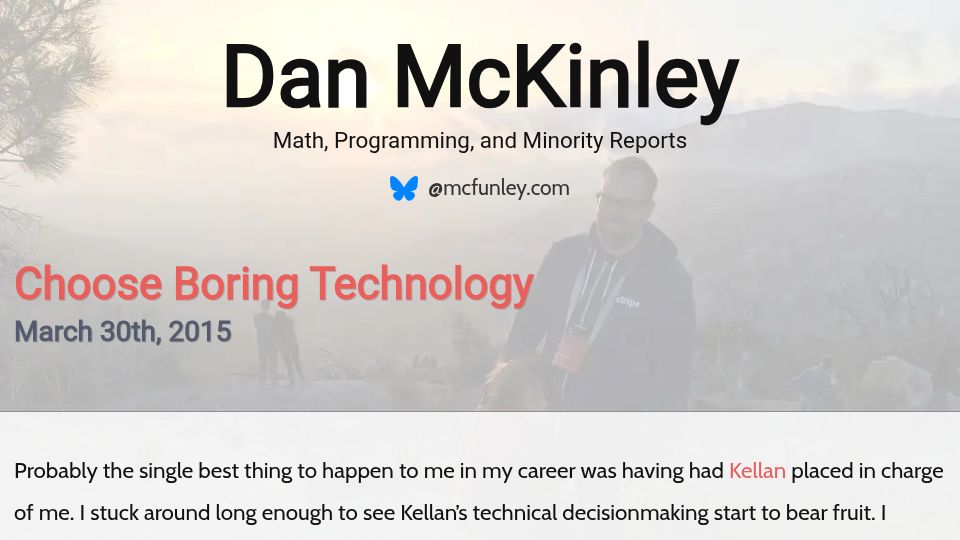
398 points by tosh | 225 comments
Dan McKinley's 2015 essay arguing that engineering teams should favor proven, well-understood technologies and spend limited 'innovation tokens' carefully.

597 points by signa11 | 184 comments
An online handbook by Voytek Pitula describing software engineering patterns for systems that handle money, covering precision, rounding, currencies, ledgers, and audit trails.
526 points by surprisetalk | 107 comments
Blog post by matklad, written as a reply to a researcher physicist, offering advice on learning software design and architecture skills, mainly by doing.

1092 points by milanm081 | 495 comments
A website cataloging 56 laws, principles, and patterns that shape software systems, teams, and decisions, with a companion book.
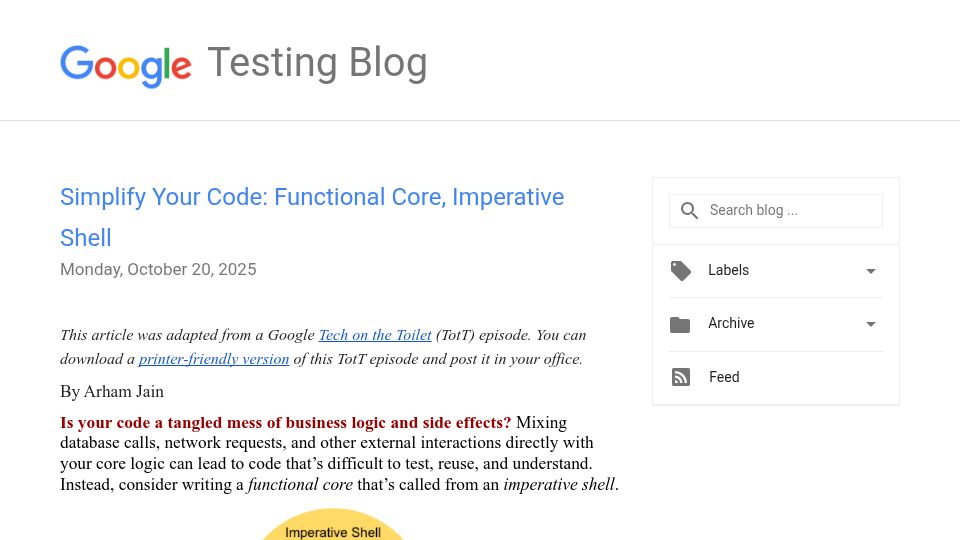
389 points by reqo | 172 comments
Google Testing Blog Tech on the Toilet post explaining the functional core, imperative shell pattern for separating business logic from side effects.
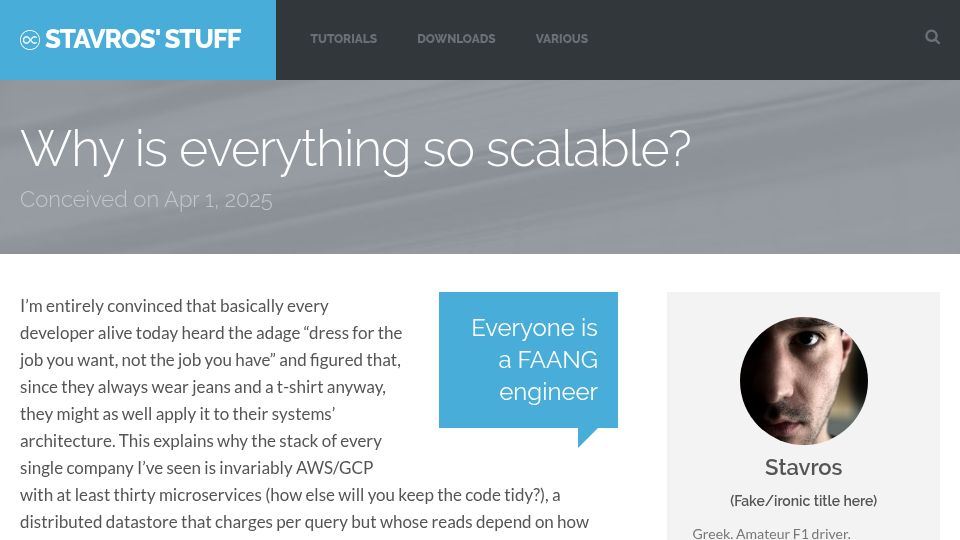
360 points by kunley | 330 comments
Blog post by Stavros arguing that most companies over-engineer their systems with FAANG-style scalable architectures like microservices and cloud datastores they don't need.
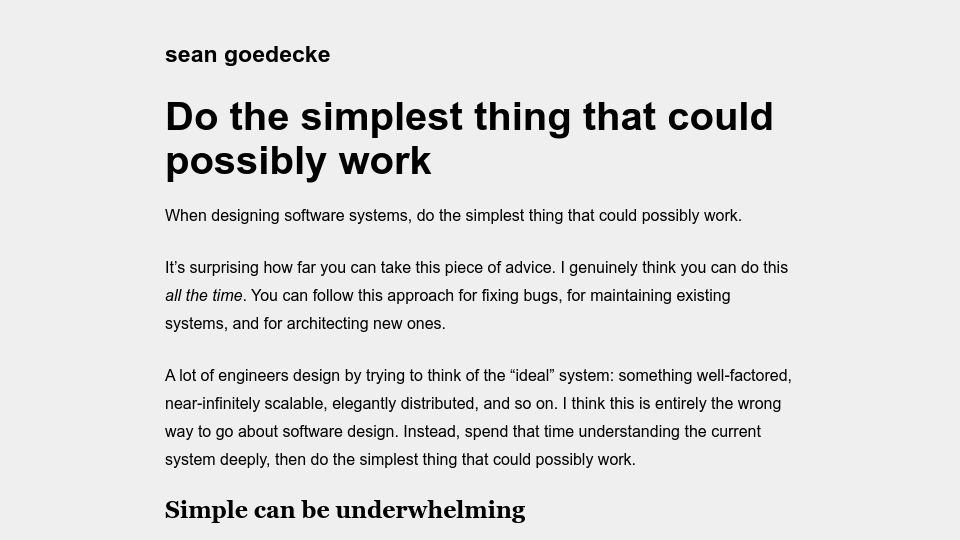
1015 points by dondraper36 | 364 comments
Blog post by Sean Goedecke arguing engineers should understand the current system deeply and then do the simplest thing that could possibly work.
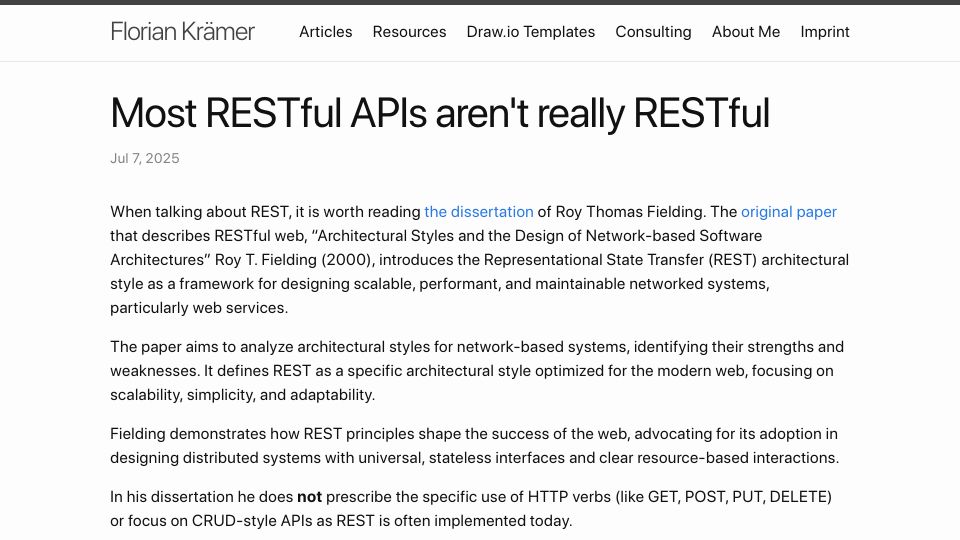
324 points by BerislavLopac | 493 comments
Blog post by Florian Krämer arguing that most APIs called RESTful don't follow Roy Fielding's original REST architectural style as described in his dissertation.
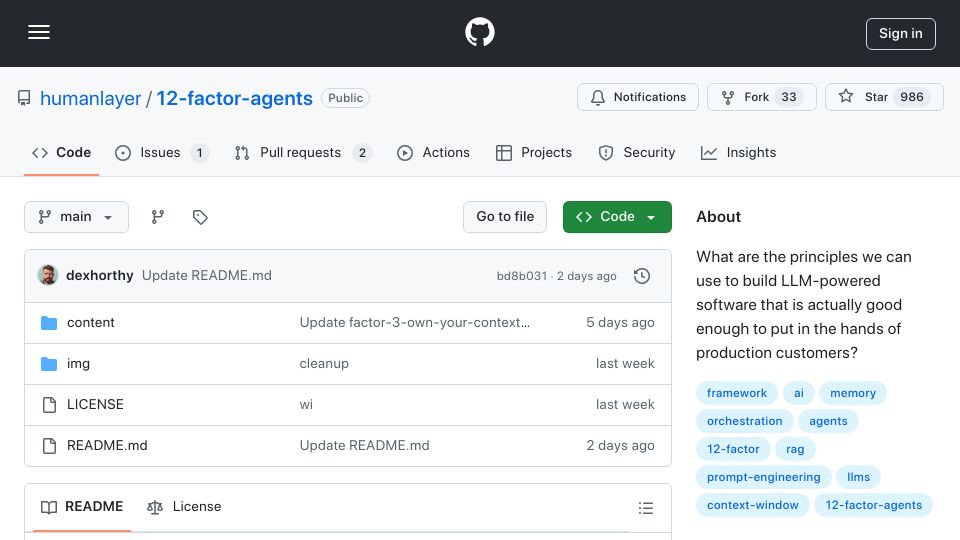
388 points by dhorthy | 57 comments
GitHub repository by HumanLayer documenting twelve principles for building reliable, production-grade LLM-powered agent applications, modeled on 12 Factor Apps.
405 points by asicsp | 96 comments
Preface of the free online book Architecture Patterns with Python (Cosmic Python), covering DDD, event-driven architecture and related patterns in Python.

356 points by kaycebasques | 215 comments
Steven Sinofsky's Hardcore Software essay on engineering and systems patterns that sound good ("Let's just...") but almost never work as intended.

1649 points by zdw | 685 comments
An essay by Zakirullin arguing that reducing developers' cognitive load should be the main goal when writing and designing software.

431 points by ma_za | 253 comments
Octomind blog post explaining why the company stopped using LangChain for its AI agents and what it learned using it in production.
523 points by Brajeshwar | 394 comments
Dan Luu essay arguing for simple architectures, describing how Wave scaled a Python monolith on Postgres instead of complex microservices.
381 points by kiyanwang | 347 comments
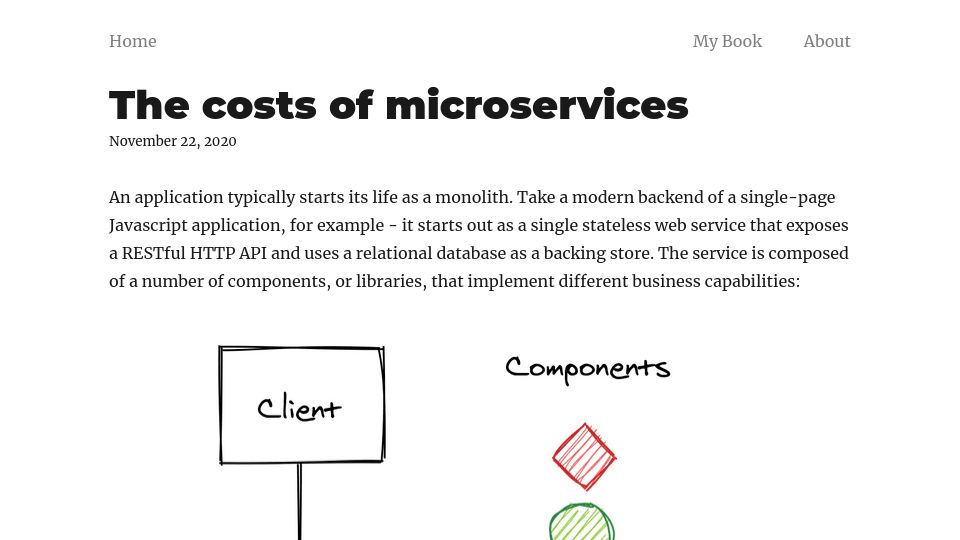
Blog post by Roberto Vitillo examining the trade-offs and costs of splitting a monolithic backend into microservices.
351 points by edward | 226 comments
The Twelve-Factor App is a methodology describing best practices for building portable, scalable software-as-a-service applications for cloud platforms.

405 points by thunderbong | 277 comments
A Renegade Otter blog post by Andrei Taranchenko arguing that the software industry is relearning that microservice complexity kills.
351 points by DeathArrow | 123 comments
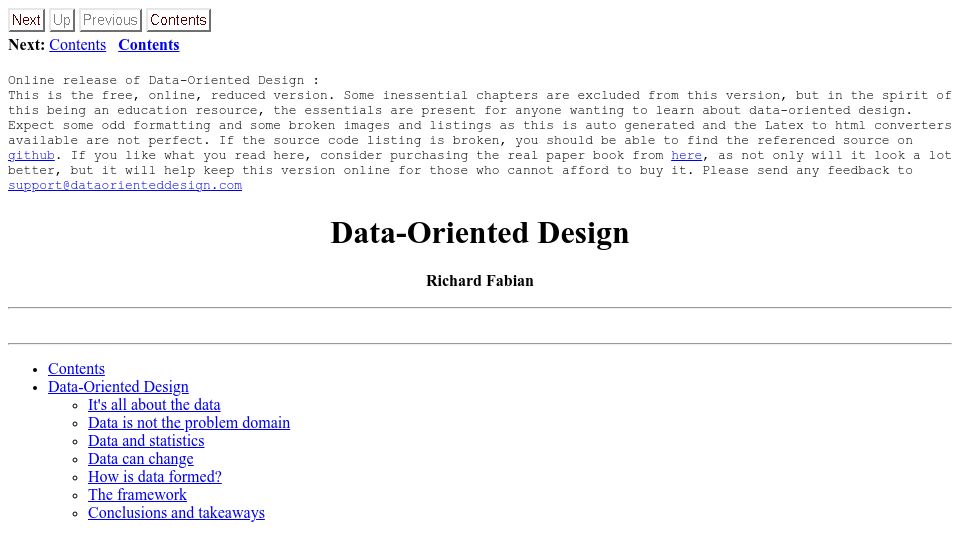
Free online reduced edition of Richard Fabian's book Data-Oriented Design, showing the table of contents and an introductory note.
337 points by AnhTho_FR | 611 comments
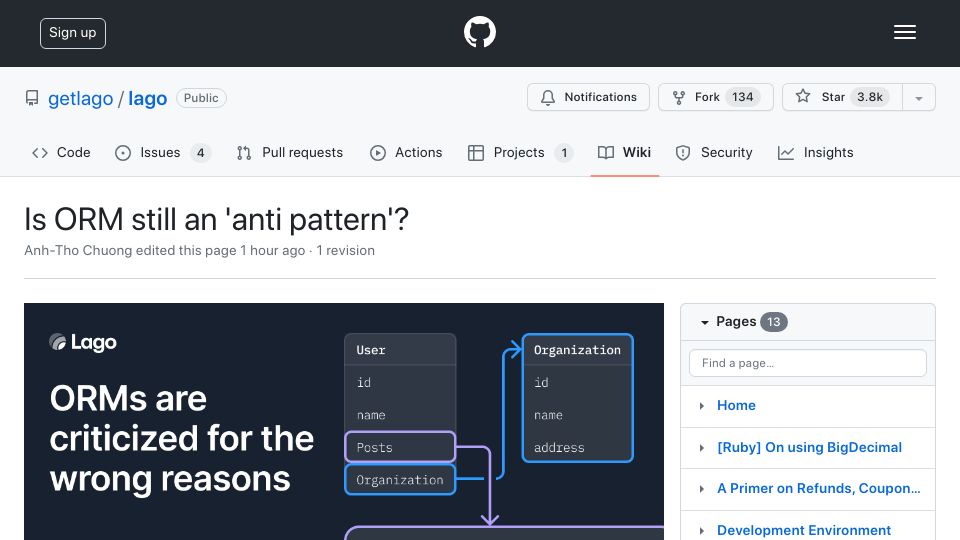
A GitHub wiki page from the Lago project arguing that ORMs are criticized for the wrong reasons and examining whether ORM is still an anti-pattern.
573 points by knsv | 333 comments
A Mermaid Chart blog post arguing sequence diagrams are UML's most useful contribution and explaining how they model interactions between system parts.

456 points by mparnisari | 357 comments
Adrian Cockcroft's Medium post responding to takes on Amazon Prime Video's move from microservices to a monolith, discussing lessons learned.

423 points by damethos | 152 comments
MIT doctoral thesis by Daniel Sturtevant measuring how architectural complexity in software systems affects defect density, developer productivity, and staff turnover.