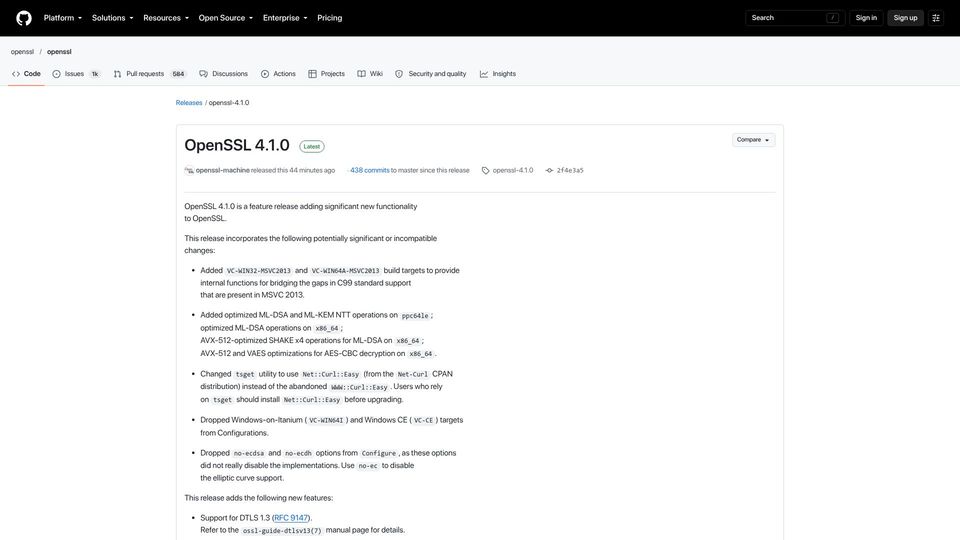
OpenSSL 4.1.0(github.com)
165 points by petecooper | 55 comments
GitHub release page for OpenSSL 4.1.0, a feature release adding DTLS 1.3, GREASE support, ML-DSA/ML-KEM optimizations, and dropping legacy Windows targets.
49 stories tagged cryptography, newest first.
165 points by petecooper | 55 comments
GitHub release page for OpenSSL 4.1.0, a feature release adding DTLS 1.3, GREASE support, ML-DSA/ML-KEM optimizations, and dropping legacy Windows targets.
9 points by creilly11235 | 6 comments
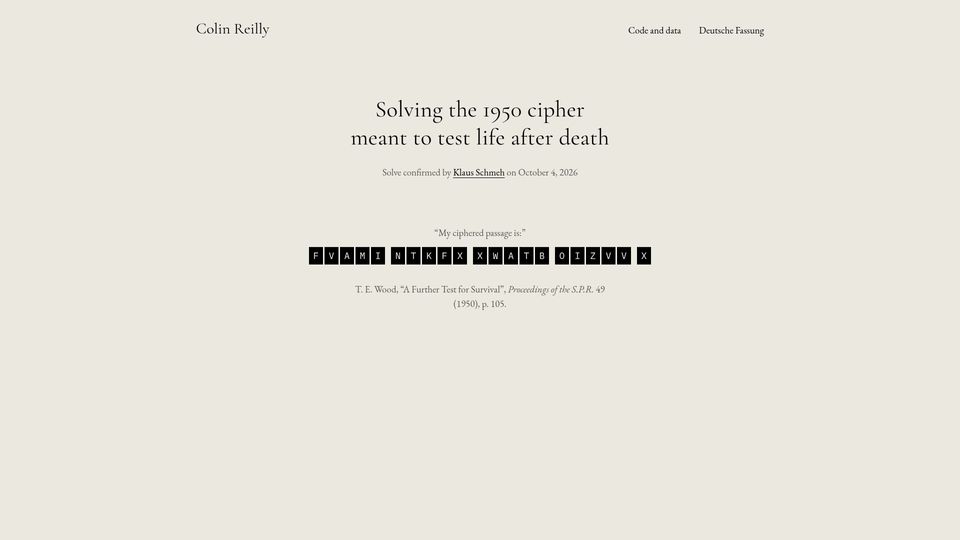
Colin Reilly's write-up of solving T. E. Wood's 1950 survival-test cryptogram via computer search, finding the key in the Lord's Prayer from a 1912 Luther Bible.
11 points by znano | 0 comments
GitHub repository for RawLink, an experimental VPN protocol built from scratch, with an accompanying blog post explaining its design.
5 points by KhalidH | 1 comments
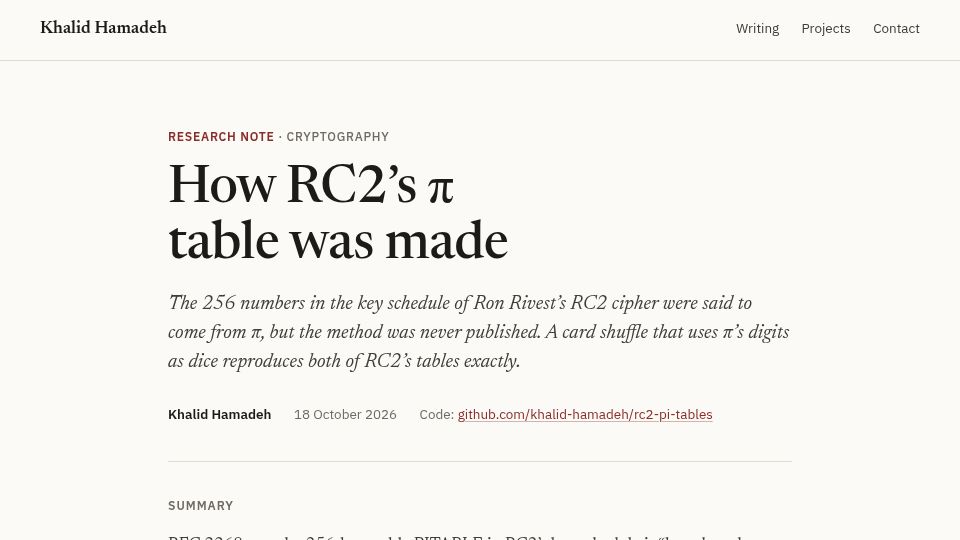
A research note reconstructing how the 256-byte PITABLE in Ron Rivest's RC2 cipher key schedule was derived from π, using a card shuffle with π's digits as dice.
76 points by ankitg12 | 9 comments
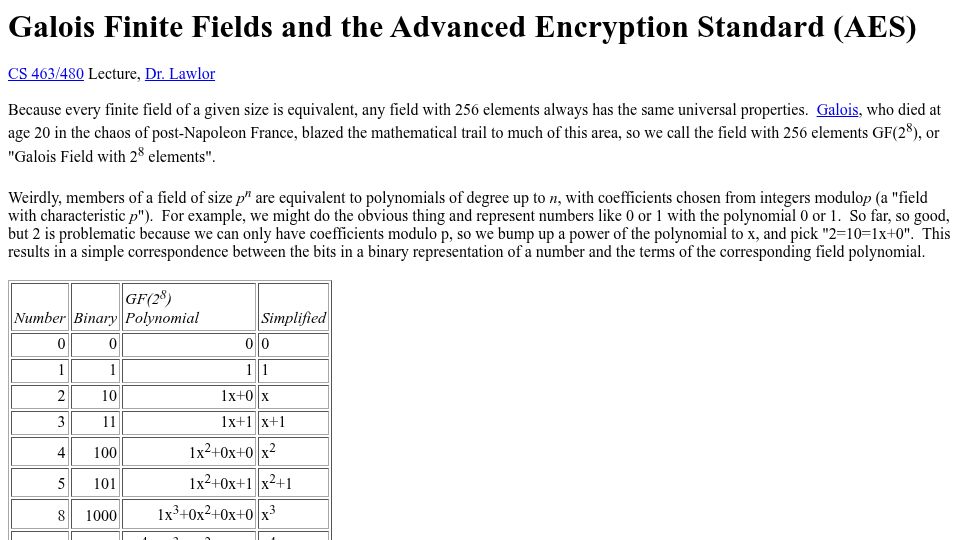
University lecture notes from UAF CS 463/480 explaining Galois field GF(2^8) arithmetic and its role in the AES encryption algorithm.
29 points by aburan28 | 3 comments
Blog post by Filippo Valsorda announcing that the bounty for finding the origin of the NIST elliptic curve seeds has been claimed.
989 points by ahlCVA | 363 comments
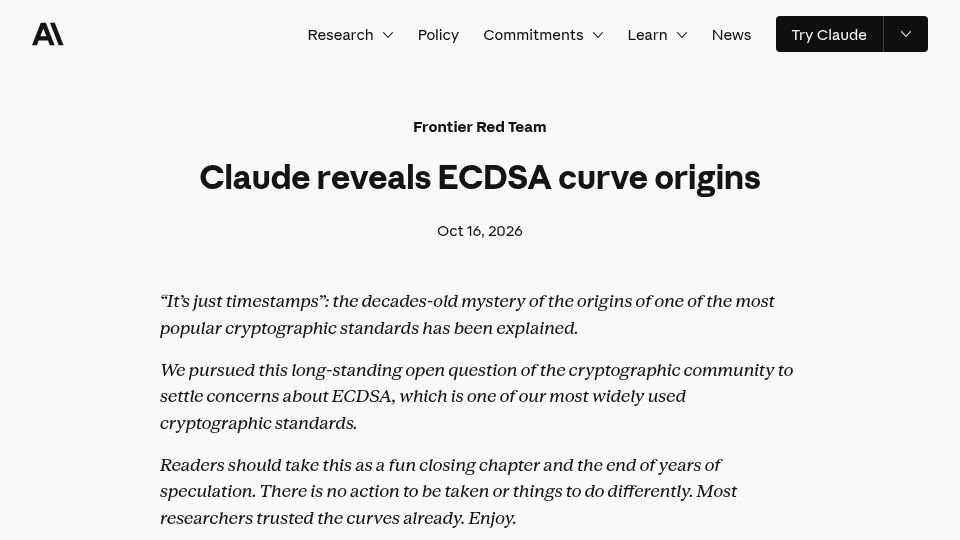
Anthropic Frontier Red Team post saying Claude explained the long-mysterious origins of the seeds behind the ECDSA standard curves, attributing them to timestamps.
9 points by ibobev | 0 comments
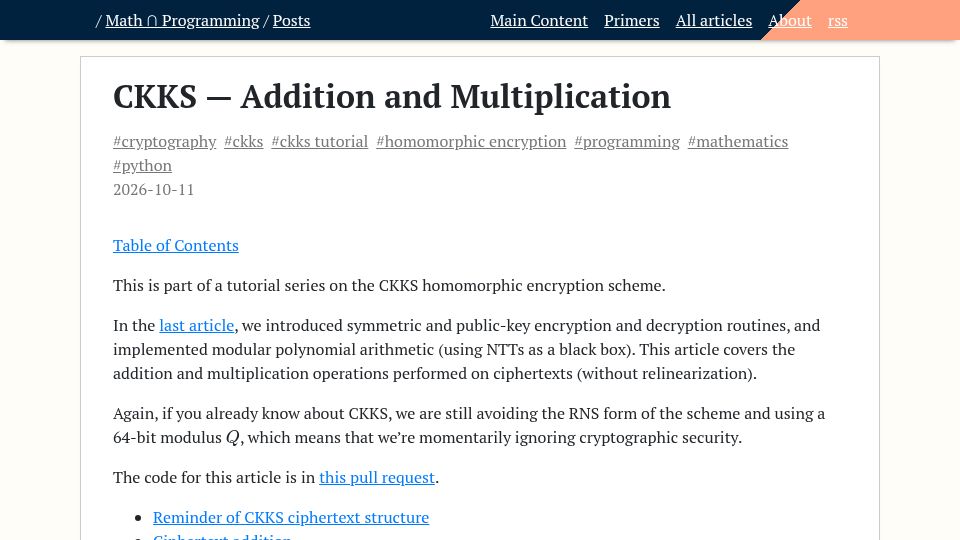
A tutorial article from Jeremy Kun's Math ∩ Programming series explaining and implementing ciphertext addition and multiplication in the CKKS homomorphic encryption scheme.
21 points by akkartik | 0 comments
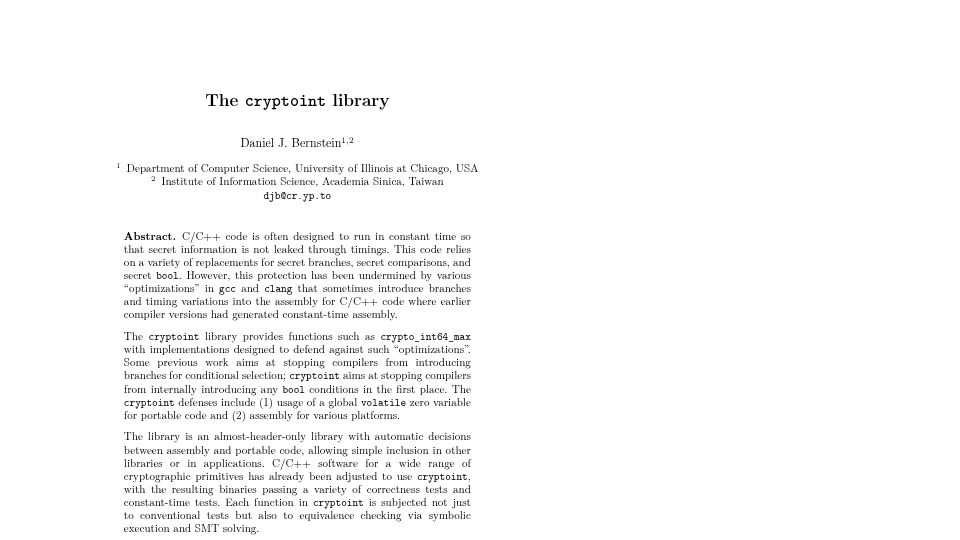
Daniel J. Bernstein's paper describing cryptoint, a C/C++ library of constant-time integer functions designed to resist compiler optimizations that introduce timing leaks.
174 points by GaryBluto | 65 comments
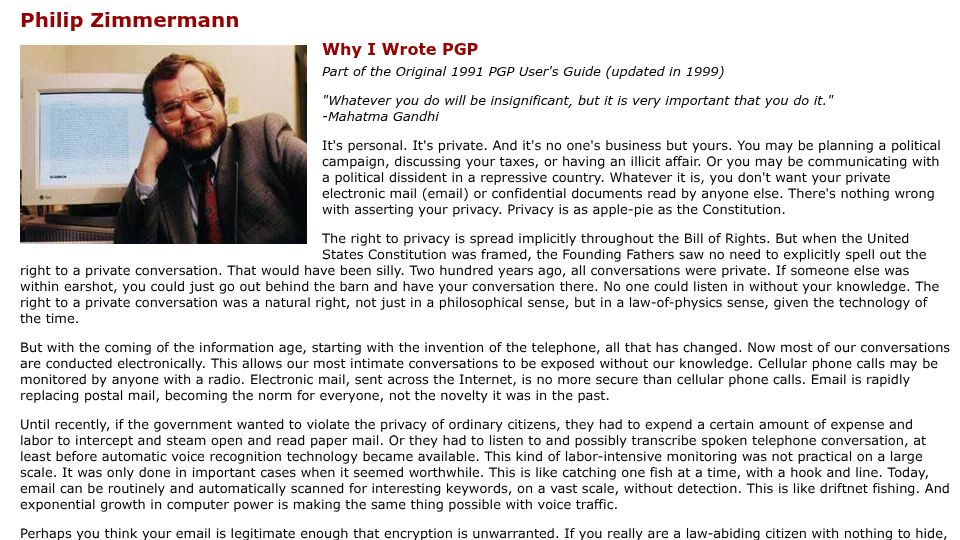
Phil Zimmermann's essay from the original 1991 PGP User's Guide, updated in 1999, explaining why he created PGP to protect the privacy of personal communications.
3 points by ManuelAxiom | 0 comments
Project site for Nexus-Q, an open-source Rust engine for post-quantum cryptography (PQC).
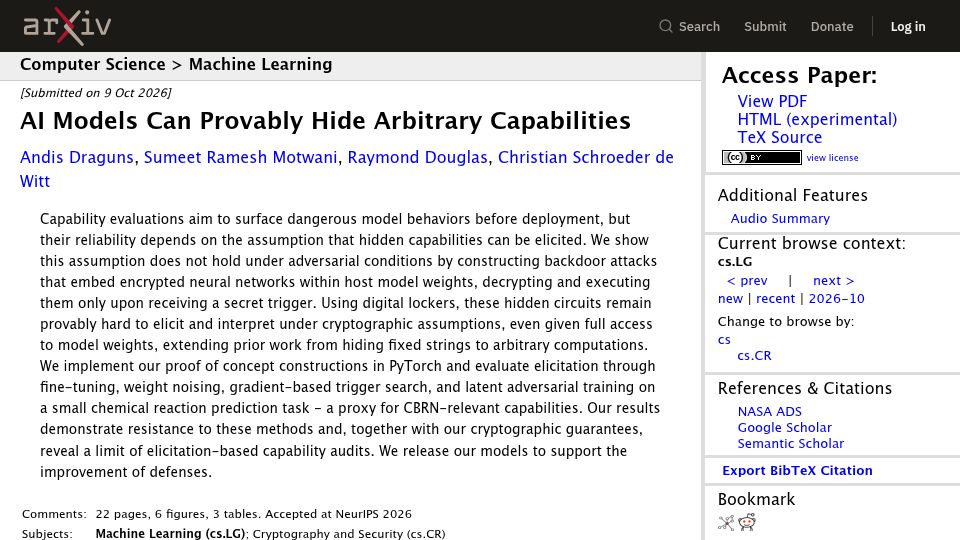
252 points by sbulaev | 118 comments
An arXiv paper showing AI models can embed encrypted neural network backdoors that provably hide arbitrary capabilities from elicitation-based safety evaluations.
61 points by ripe | 16 comments
A blog post on Robots in Plain English recounting how Edgar Allan Poe's story The Gold-Bug introduced the author to cryptography.
74 points by gavide | 13 comments
Blog post by Filippo Valsorda giving updated 'Cryptographic Right Answers' recommendations for developers, covering post-quantum cryptography choices.
50 points by Retr0id | 6 comments
Blog post by David Buchanan (retr0id) on manipulating or forging timestamps in C2PA content provenance metadata.
9 points by tob_scott_a | 0 comments
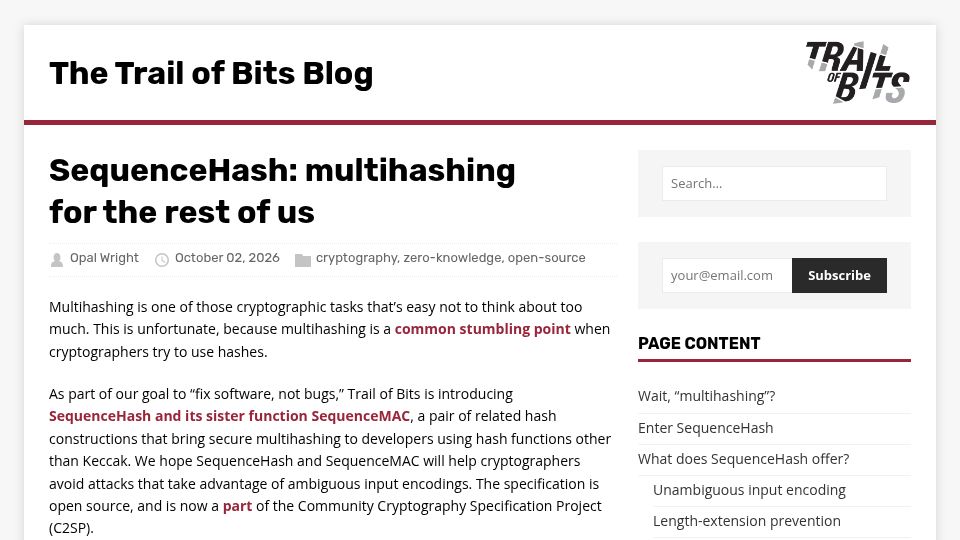
Trail of Bits blog post introducing SequenceHash and SequenceMAC, open-source hash constructions for secure multihashing with unambiguous input encoding, part of C2SP.
87 points by primitivesuave | 32 comments
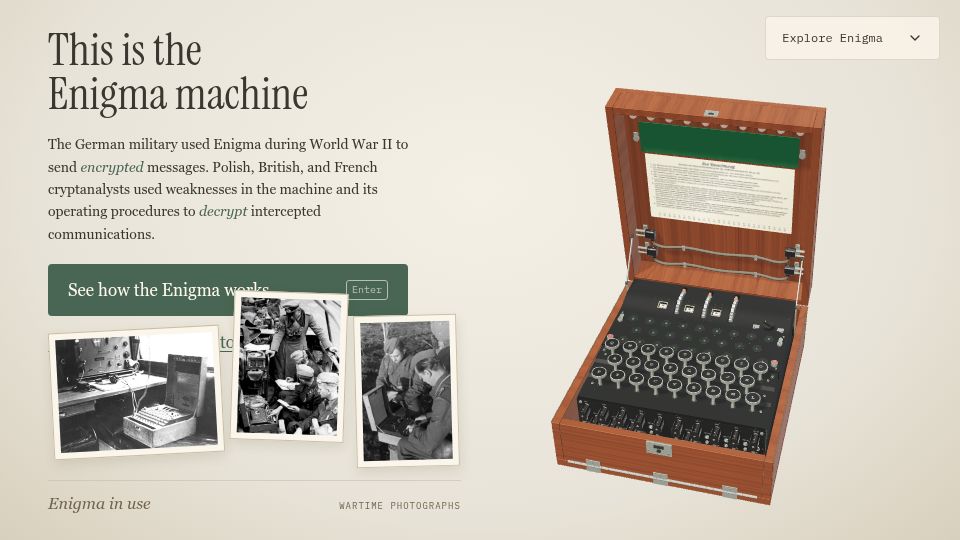
An interactive 3D model of the WWII Enigma cipher machine that lets visitors explore how its internal mechanics encrypt messages.
10 points by zx2c4 | 1 comments
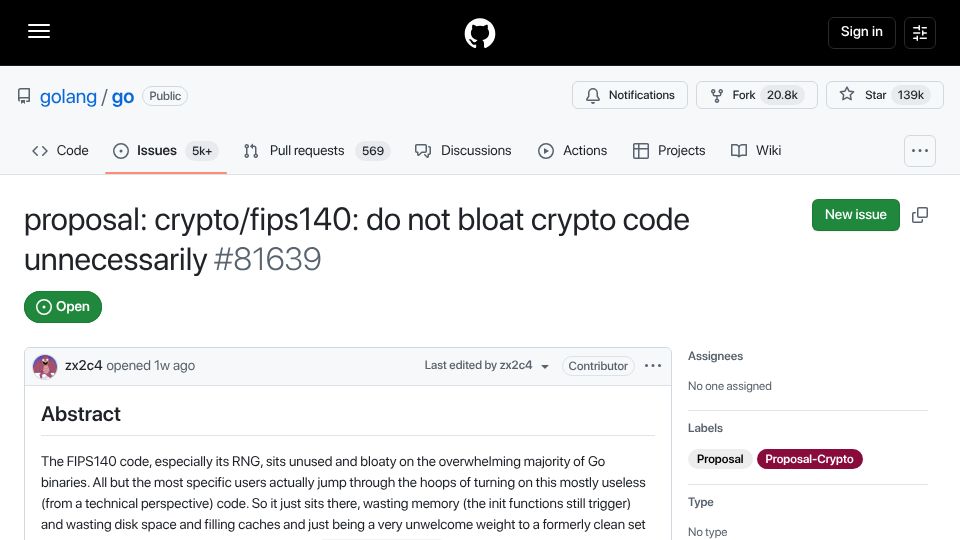
A GitHub issue proposing that Go's crypto/fips140 code, especially its RNG, stop adding memory and binary-size overhead for users who don't enable FIPS mode.
367 points by nsoonhui | 168 comments
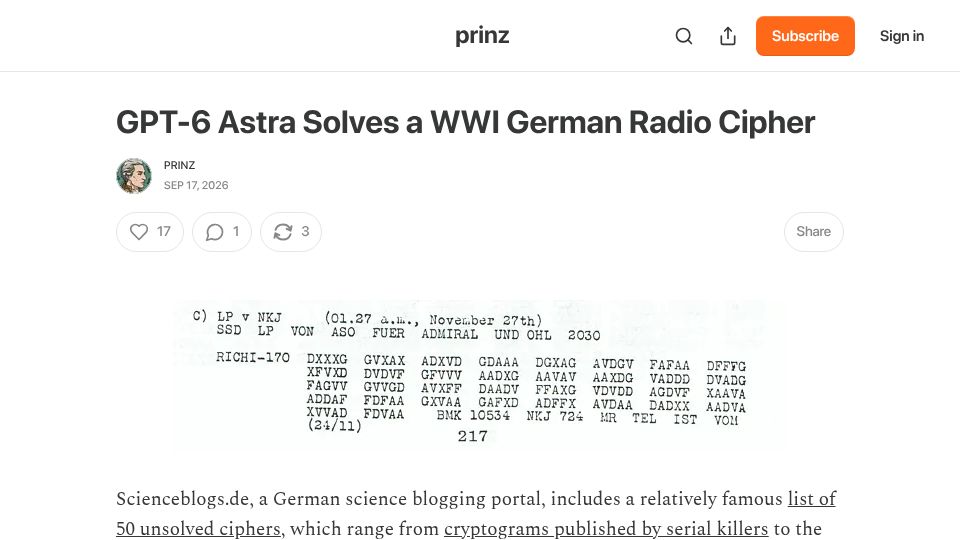
Substack post by Prinz describing how an AI model called GPT-6 Astra solved a WWI German radio cipher from a list of 50 unsolved ciphers.
461 points by ahlCVA | 106 comments
Blog post by Matthew McPherrin describing factoring the RSA keys of a 1990s-era certificate authority and what it says about RSA security.
438 points by vslira | 232 comments
Matthew Green blog post reflecting on Usenix Security and how AI may affect encryption, the 'going dark' debate, and law enforcement hacking.
473 points by u1hcw9nx | 276 comments
Google Security blog post by Jeremy Kun on how Google is using homomorphic encryption to make privacy-preserving AI practical.
351 points by subract | 65 comments
Ente blog post explaining how Shamir's Secret Sharing splits a secret into pieces so that a threshold of them can reconstruct it.
337 points by pigeons | 44 comments
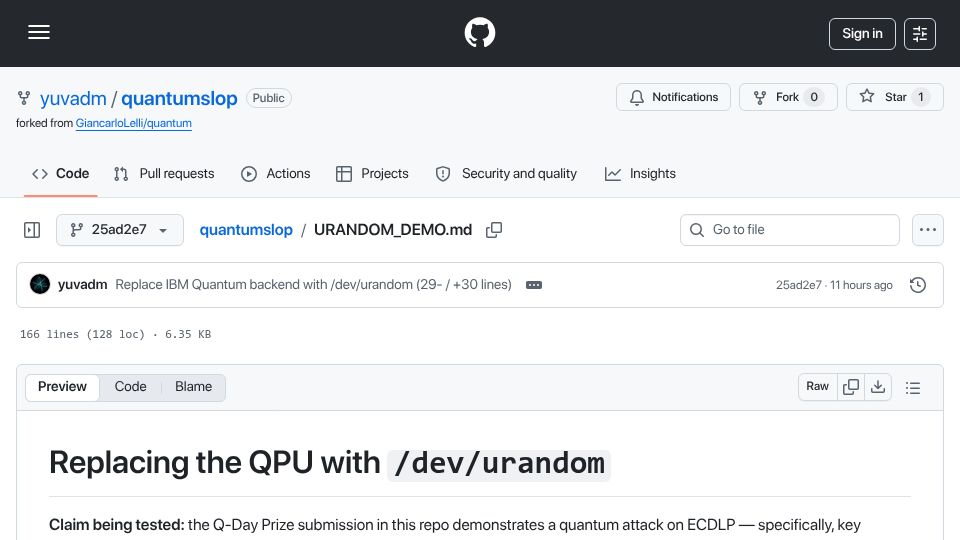
A GitHub markdown document in a forked repo showing that a Q-Day Prize quantum ECDLP attack submission works equally well when the IBM Quantum backend is replaced with /dev/urandom.
516 points by thadt | 209 comments
Filippo Valsorda's blog post giving a cryptography engineer's view on quantum computing timelines and the urgency of deploying quantum-resistant cryptography.
453 points by wizardforhire | 197 comments
Les Earnest's 1988 RISKS post recounting how a childhood cipher code earned him an FBI record and complicated his later security clearance.
334 points by brogu | 87 comments
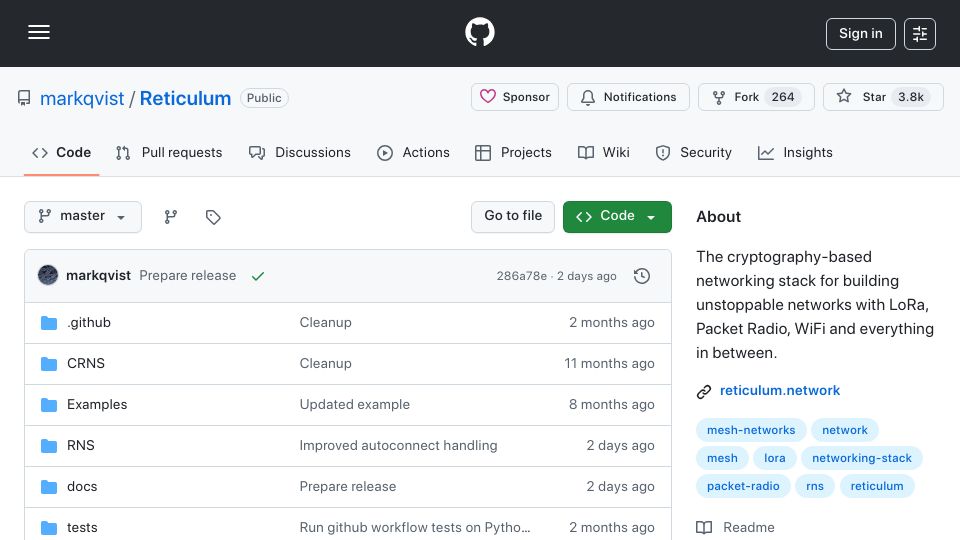
GitHub repository for Reticulum, a cryptography-based networking stack for building resilient mesh networks over LoRa, packet radio, WiFi and other media.
323 points by raggi | 47 comments
Blog post by Frank Denis, libsodium's author, describing a vulnerability found in the libsodium cryptographic library.
426 points by todsacerdoti | 282 comments
Placeholder page for gpg.fail, apparently a disclosure site about GnuPG vulnerabilities, showing only the message "brb, were on it!!!!".
446 points by Bogdanp | 199 comments
Filippo Valsorda's blog post on using Claude Code to debug his new Go implementation of the ML-DSA post-quantum signature algorithm.
720 points by azeemba | 126 comments
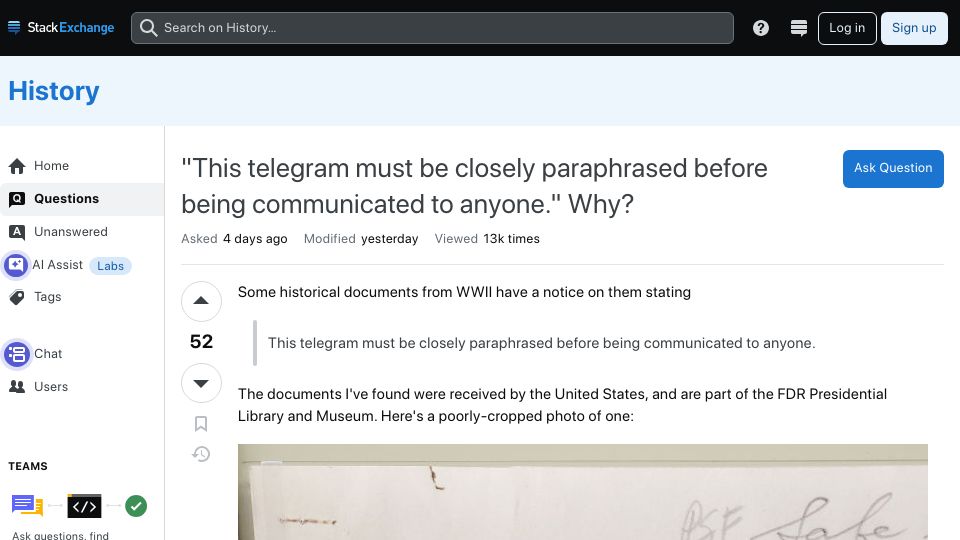
A History Stack Exchange question asking why WWII telegrams carried the notice that they must be closely paraphrased before being communicated to anyone.
395 points by barisozmen | 183 comments
Personal blog essay by Barış Özmen explaining fully homomorphic encryption and how it could enable a truly private internet.
520 points by Bogdanp | 223 comments
Tim Dierks' 2014 blog post explaining how Netscape-Microsoft browser war politics led SSL to be standardized and renamed as TLS.
398 points by blobcode | 78 comments
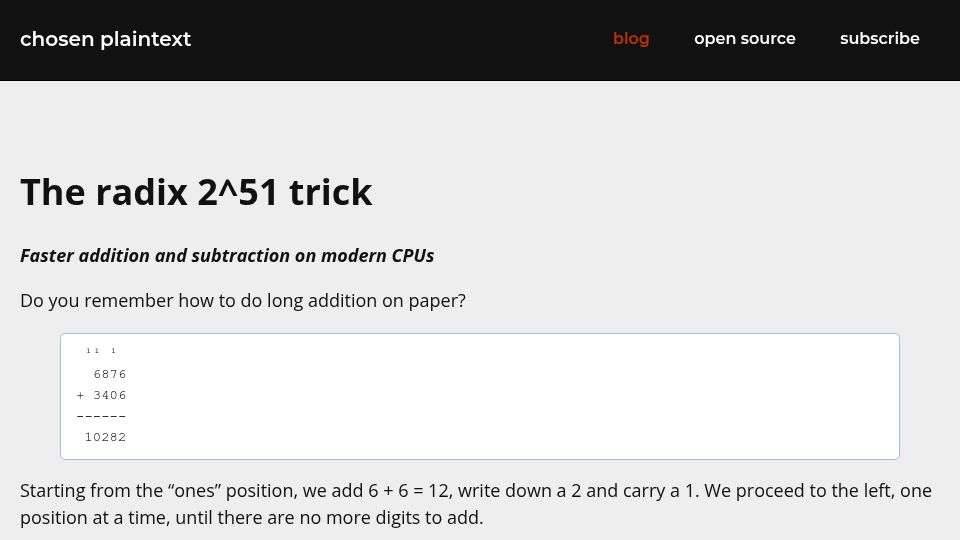
Blog post explaining the radix 2^51 representation trick for faster multi-precision addition and subtraction on modern CPUs by deferring carry propagation.
447 points by todsacerdoti | 142 comments
Blog post by Jonathan Protzenko describing how CPython now uses the formally verified HACL* library for all its default hash and HMAC algorithms.
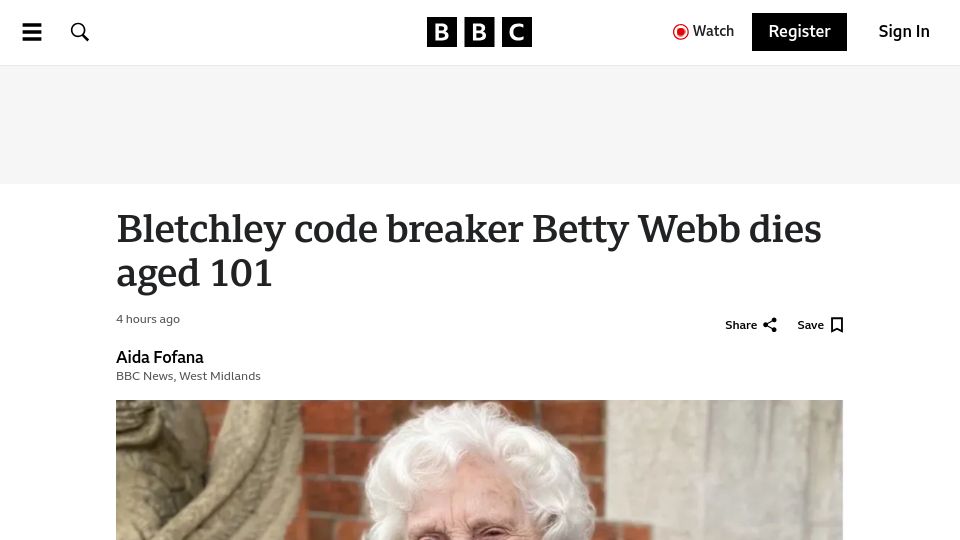
482 points by danso | 90 comments
BBC News obituary reporting that Bletchley Park code breaker Betty Webb has died at the age of 101.
541 points by mariuz | 91 comments
Simon Tatham's long-form essay explaining the XOR operation in boolean logic and on integers, its properties, and applications such as cryptography, graphics, and swaps.
359 points by surprisetalk | 193 comments
Blog post by Evan Boehs explaining homomorphic encryption in iOS 18 for non-math readers, prompted by controversy over Apple Photos phoning home.
769 points by awulf | 370 comments
An article describing how the authors factored a 512-bit RSA DKIM public key using cloud computing for under $8 and tested forged email signatures against major providers.

331 points by impish9208 | 179 comments
Wired article by Steven Levy on how Cloudflare CTO John Graham-Cumming decrypted a 30-year-old file of code used in the covert communications that helped end apartheid.
678 points by GTP | 258 comments
NinjaLab's page on EUCLEAK, a side-channel attack recovering ECDSA keys from YubiKey 5 Series devices using Infineon security microcontrollers.
523 points by md224 | 473 comments
Blog post by cryptographer Matthew Green examining whether Telegram actually qualifies as an encrypted messaging app, given its default lack of end-to-end encryption.
536 points by pantalaimon | 367 comments
Blog essay by Henryk Plötz arguing that JSON Web Tokens should not be used as authentication/session tokens, explaining the reasons.
324 points by Brajeshwar | 124 comments
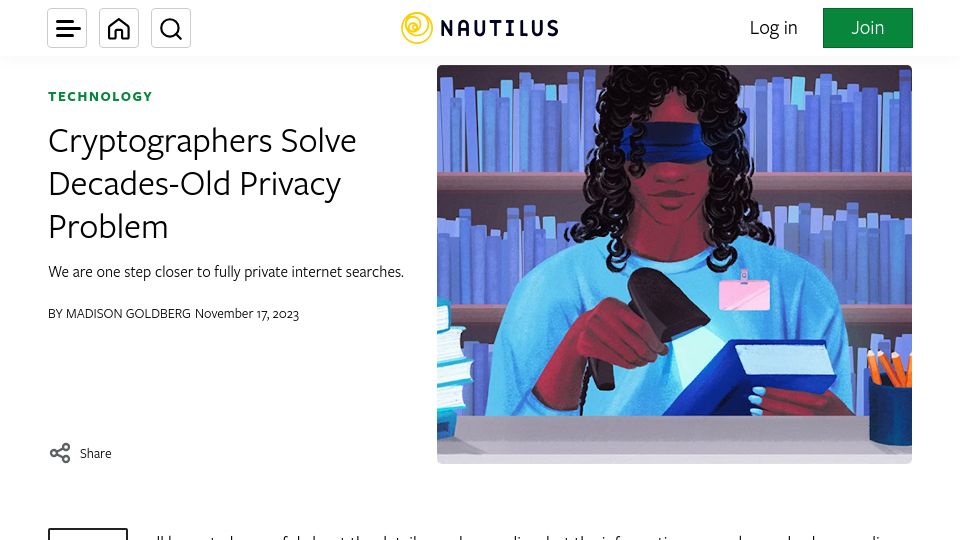
Nautilus article by Madison Goldberg on cryptographers' advance toward fully private database lookups and internet searches (private information retrieval).
397 points by mfrw | 83 comments
Filippo Valsorda's blog post announcing an $8,192 bounty for recovering the original seeds used to generate the NIST elliptic curves.
415 points by bumbledraven | 175 comments
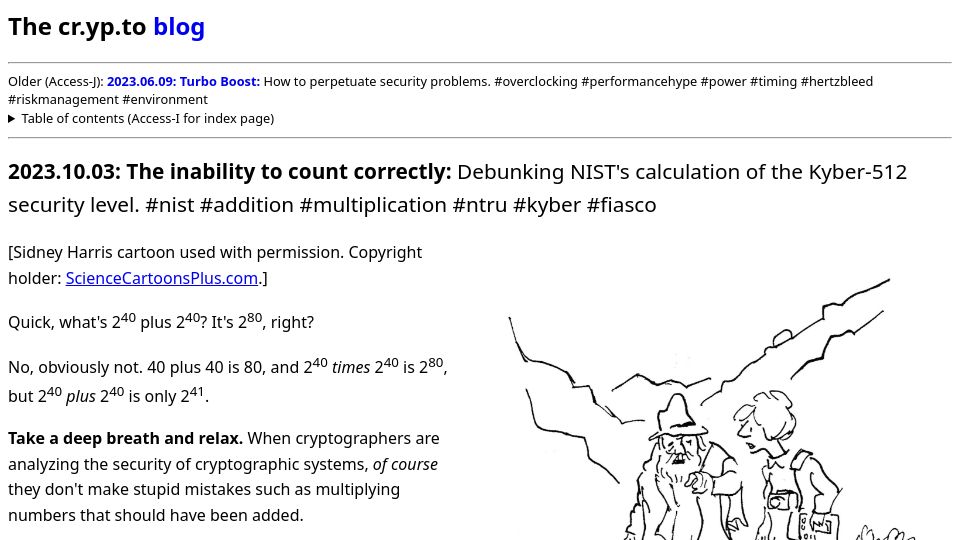
Daniel J. Bernstein's blog post arguing that NIST miscalculated Kyber-512's security level by multiplying costs that should have been added.
330 points by hosteur | 141 comments
Adam Back's page describing how he reverse-engineered Lotus Notes to extract the NSA key-escrow public key, named "MiniTruth"/"Big Brother", used in export versions.

561 points by robinhouston | 252 comments
Qualia Research Institute blog post announcing a contest to create 'psychedelic cryptography': messages decodable only in non-ordinary states of consciousness.
1261 points by gmac | 153 comments
Interactive demo page that performs a live, annotated HTTPS request for its own source using subtls, a pure-JavaScript TLS 1.3 implementation.